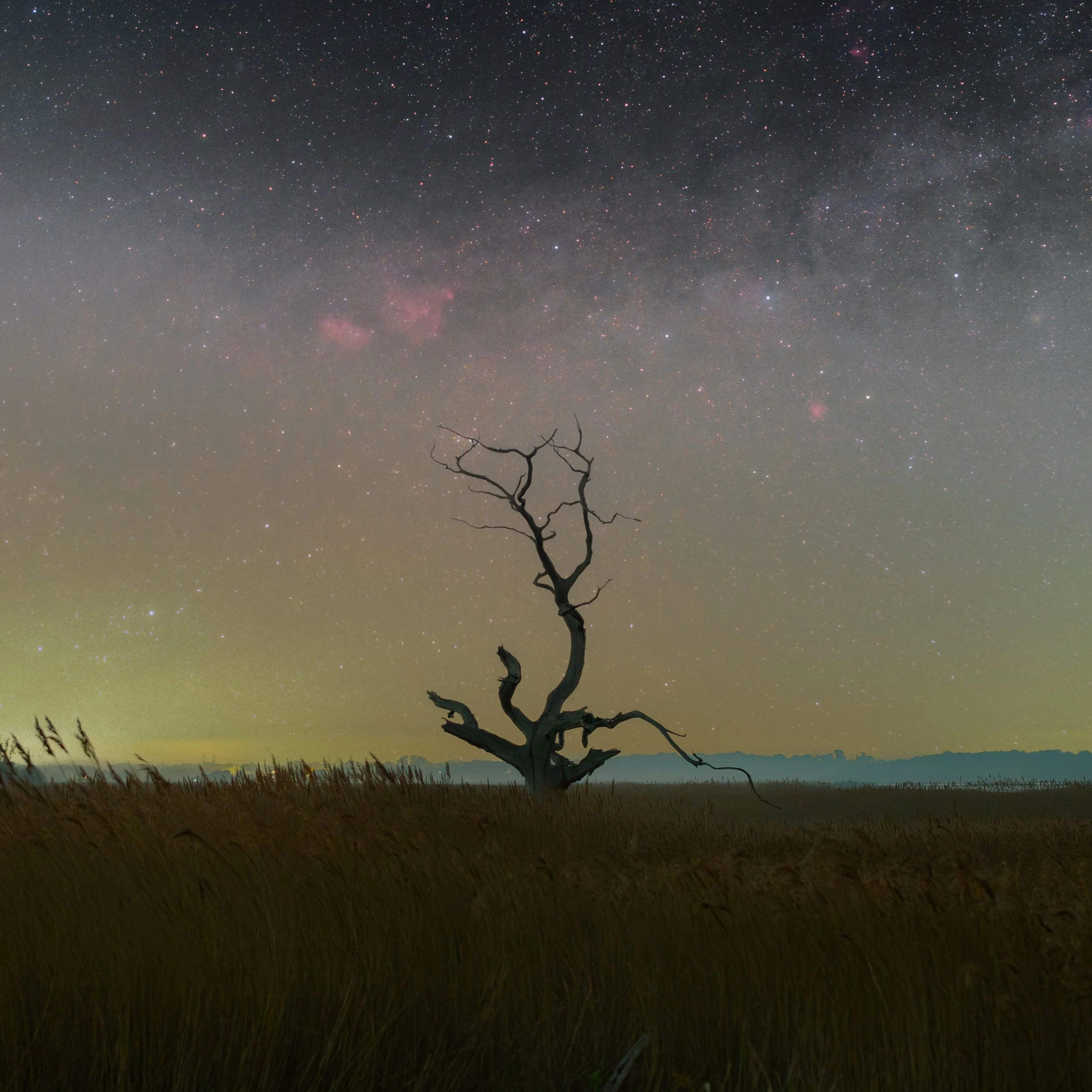
Iken, Suffolk
Iken sits on a low spit of land where the River Alde bends into marsh and reed, a place with a history far older than it looks. In the mid-7th century, a monk named Botolph asked the local king for a “waste and ownerless place” to found a monastery, and was given exactly that: a bleak, marshy stretch the Anglo-Saxons believed was haunted by demons and drifting marsh lights that lured travellers to their deaths. Whatever spirits Botolph came to banish, what’s left today is a stillness that feels less haunted than sacred, one of those hidden corners of Suffolk that barely seems to have changed in over a thousand years.
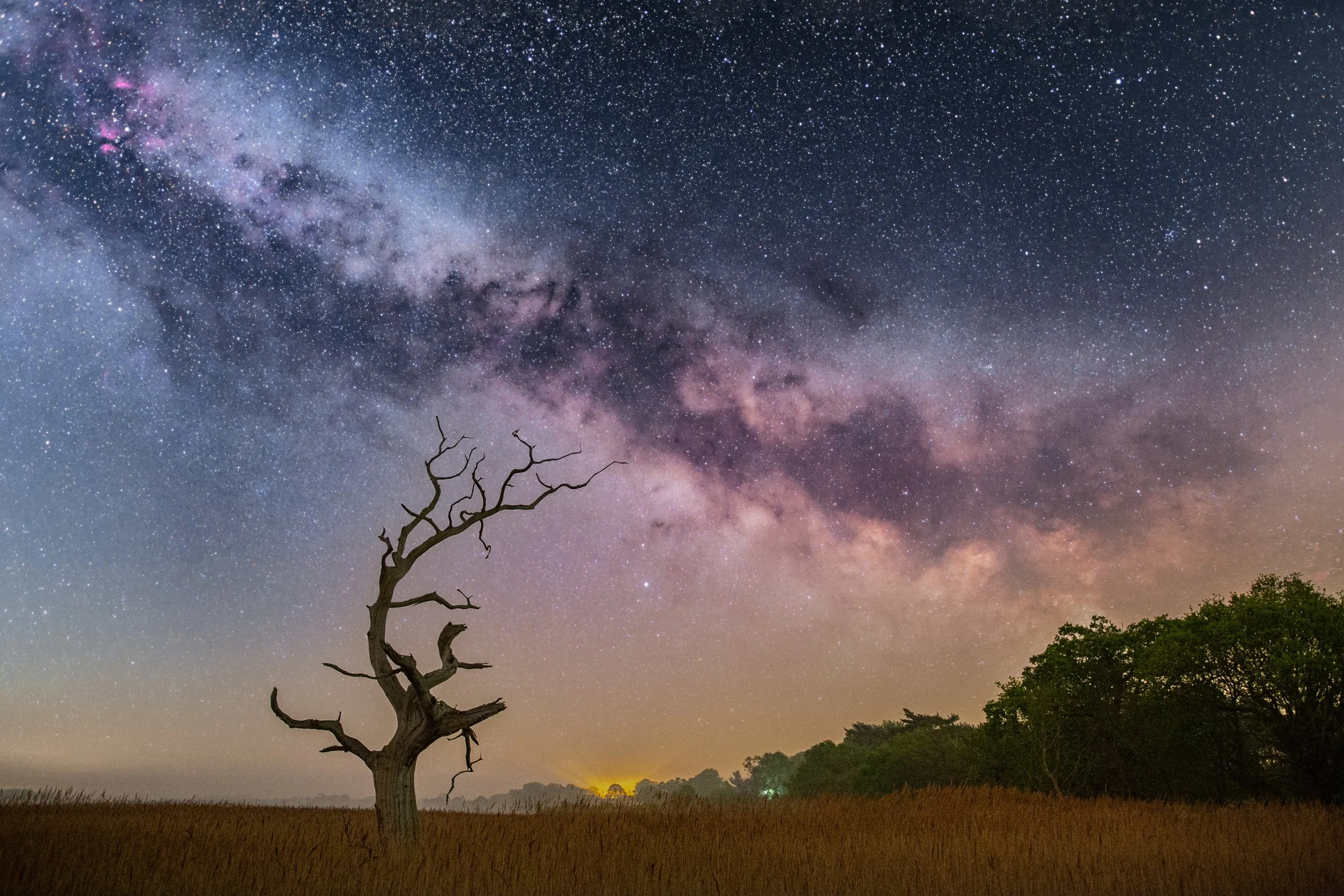
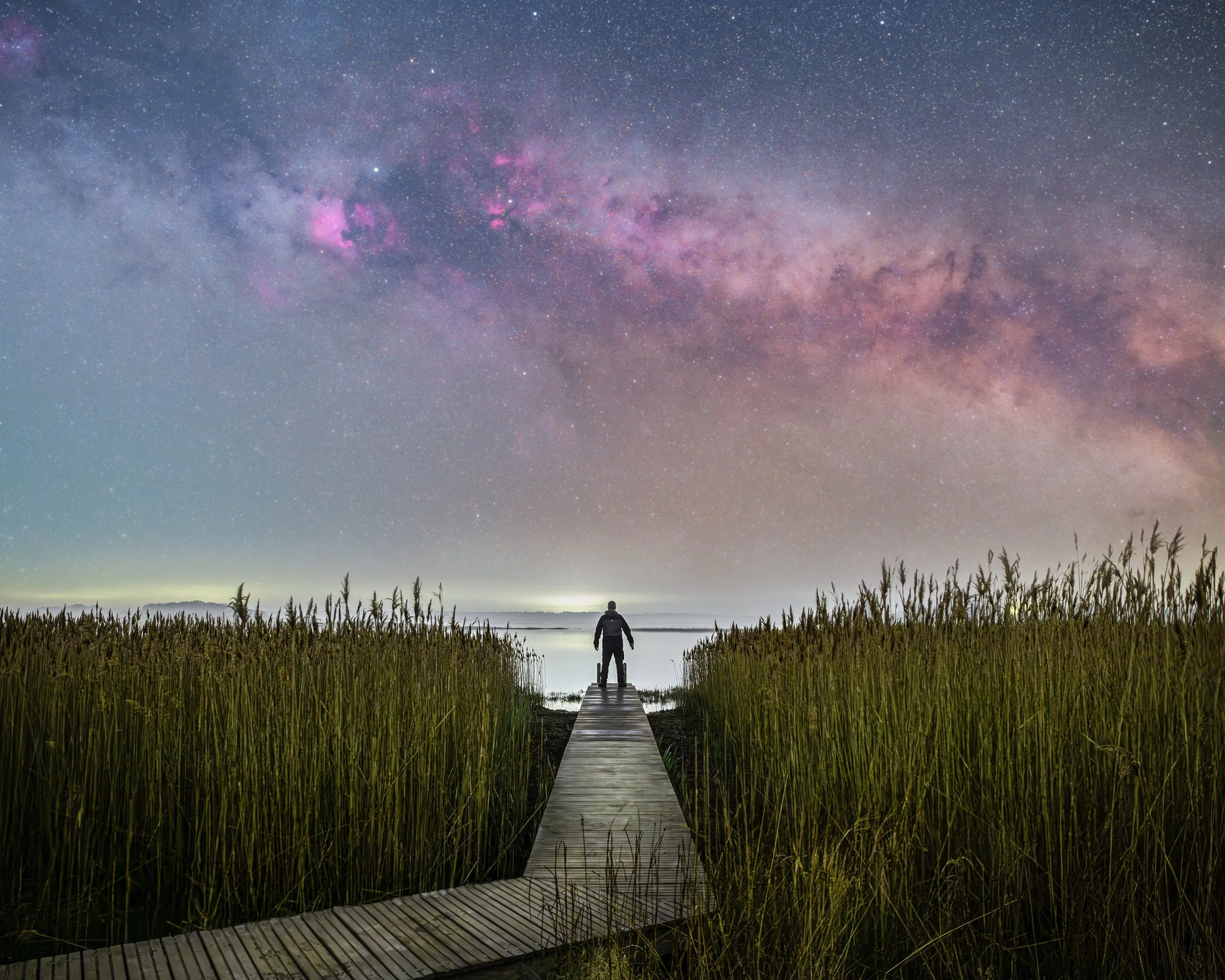
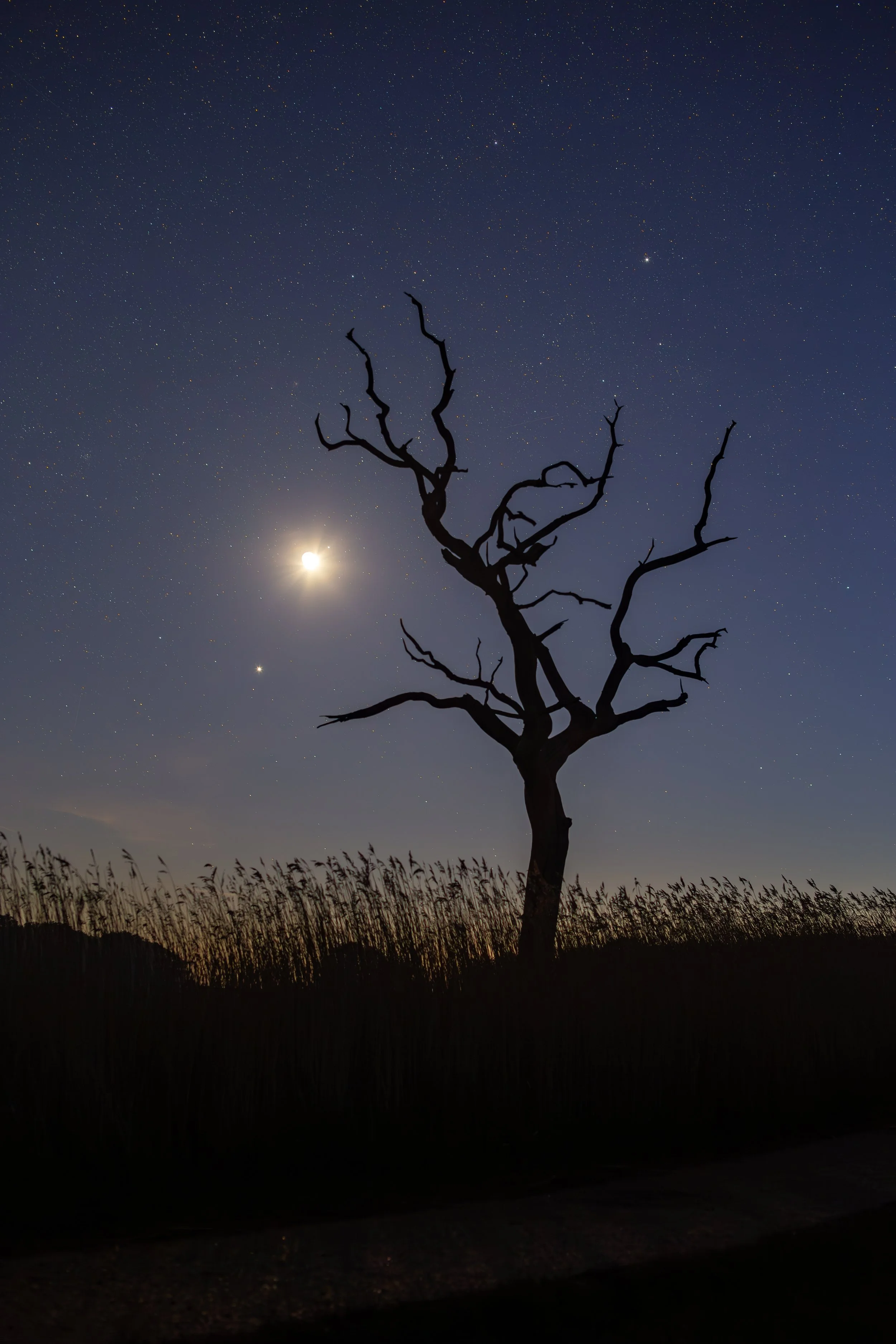
I arrived early on a sunny afternoon at the end of April, cooked burgers looking out over the marsh, and spent a while just exploring before the light faded. Dead trees stood out of the reeds like old grey sentries, stripped and bare against the green, and a small jetty sat hemmed in on both sides by tall reeds, one of those quietly perfect compositions you stumble across rather than plan for.
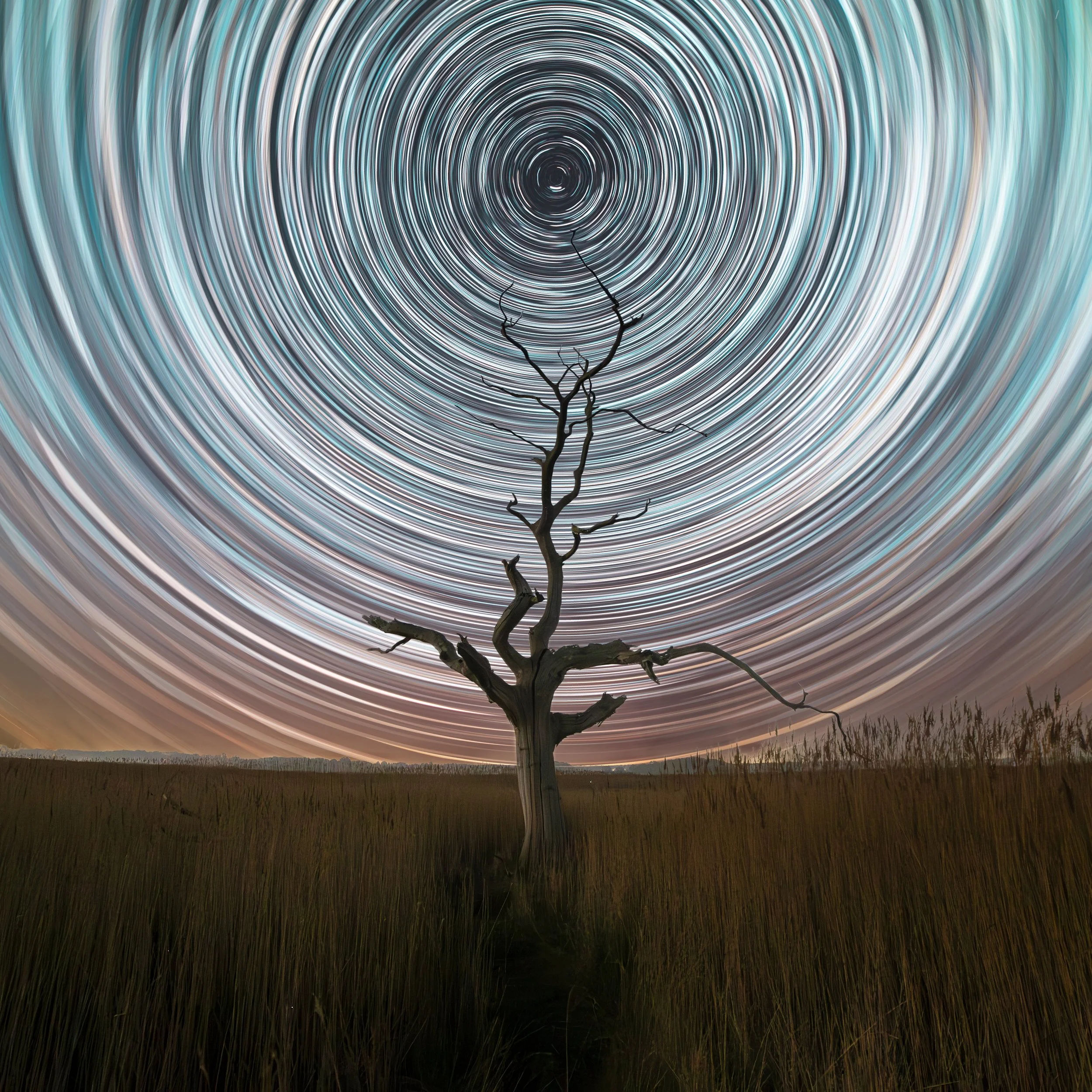
By night, the place became something else entirely. Gnarled, solitary trees rose out of the reedbeds like statues left over from some older, wetter world. The air was cool and damp, carrying lilac and honeysuckle up from the hedgerows, while owls called and reed warblers rustled restlessly through the dark. Above it all, a properly dark sky opened up, stars scattered in real numbers, the Milky Way climbing higher over the eastern horizon as the night wore toward dawn.
I’d been stuck in a bit of a creative rut through the month before, short on motivation and short on ideas. Standing there, with nothing but simple, honest compositions on offer and the marsh doing what it’s done for a thousand years, that rut simply dissolved. Sometimes the best way out of a creative slump isn’t to force it, it’s to go somewhere quiet, let the landscape do the talking, and remember exactly why you started pointing a camera at the night sky in the first place.