La Palma, Canary Islands
In May 2026, my wife and I spent a whole week on La Palma, in the Canary Islands, and came away thoroughly enchanted. Sitting on the rim of the ancient Caldera de Taburiente, and rising to the summit observatory at nearly 2,400 metres, the island became the world’s first UNESCO Starlight Reserve back in 2012, and it’s easy to see why: strict lighting rules, stable Atlantic air, and a “sea of clouds” that often sits below the summit road, leaving the sky above exceptionally clear. It draws astrophotographers from all over the world, and after a week exploring its volcanic ridges, laurel forests, and quiet corners, I’m already certain we’ll be back.
Llano de las Ánimas
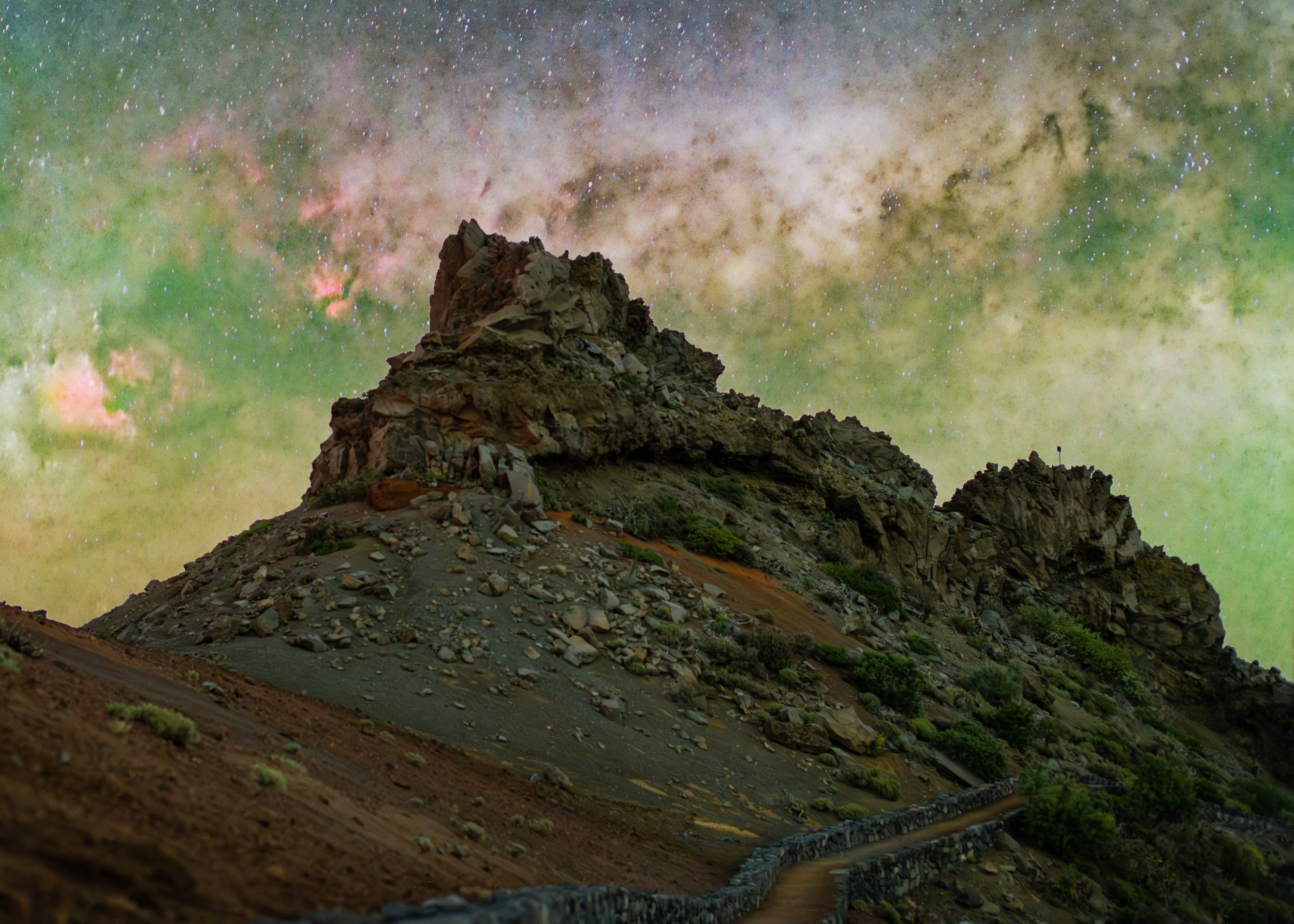
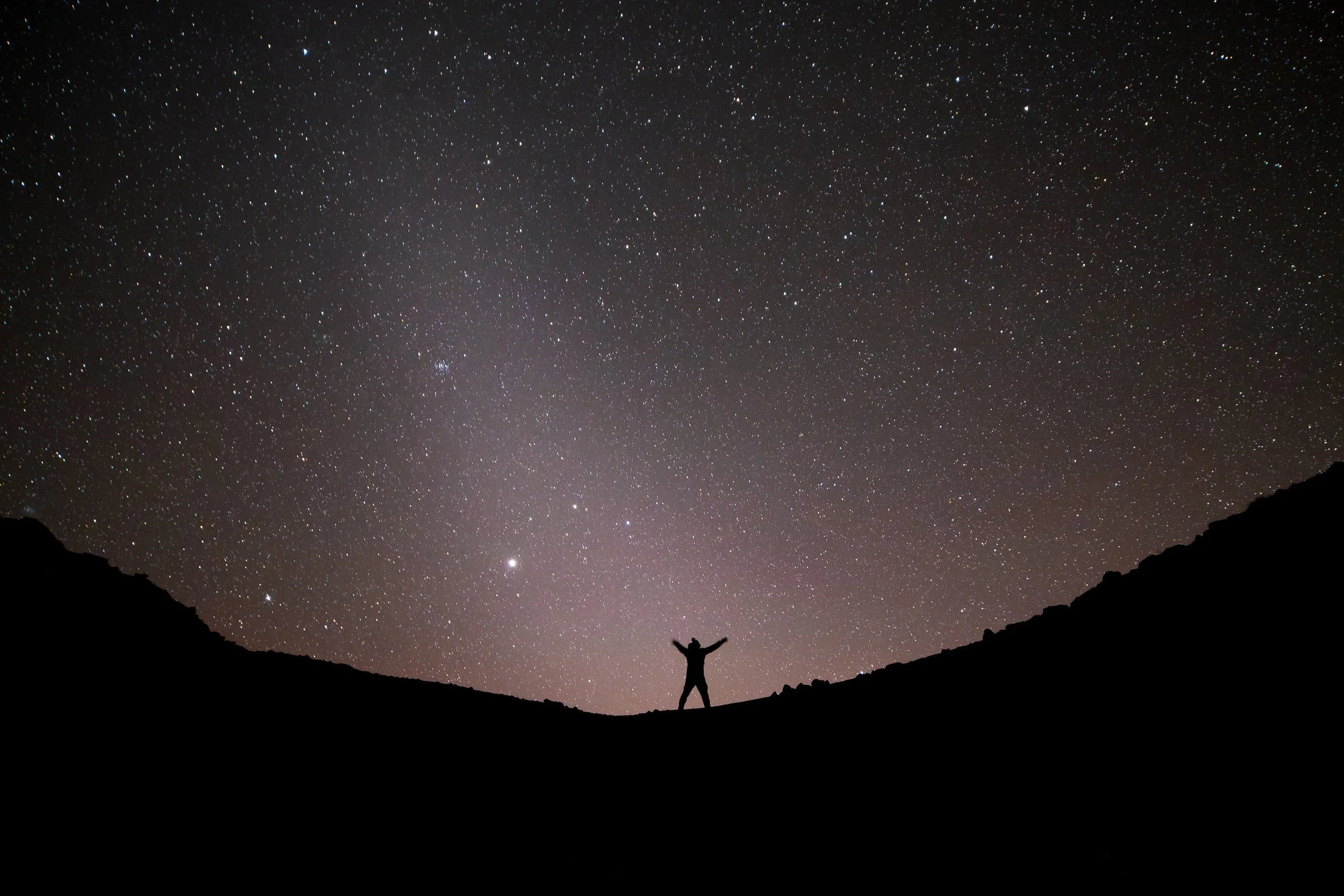
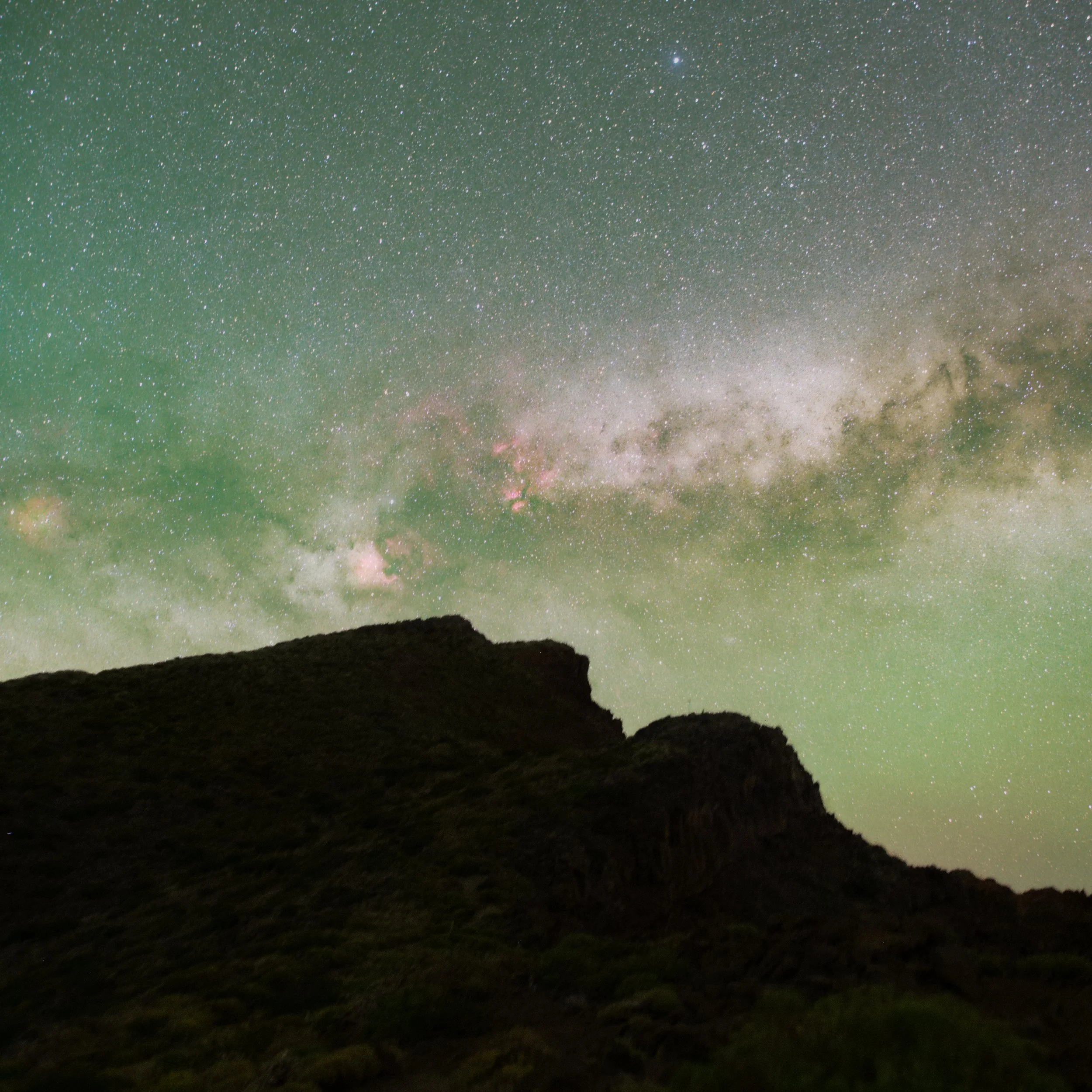
My first night on the island was a deliberate step away from the crowd. Hundreds of astrophotographers make the pilgrimage to La Palma every year, and mostly to the same handful of spots for the same handful of shots, so I hiked up to the remote Llano de las Ánimas, hoping for something nobody else had framed. What I found instead was a proper introduction to the island’s wilder side: brutal, relentless wind, a hostile landscape, and a sky so dense with stars that I wasn’t fully prepared for it, even after years of chasing dark skies elsewhere.
Pared de Roberto
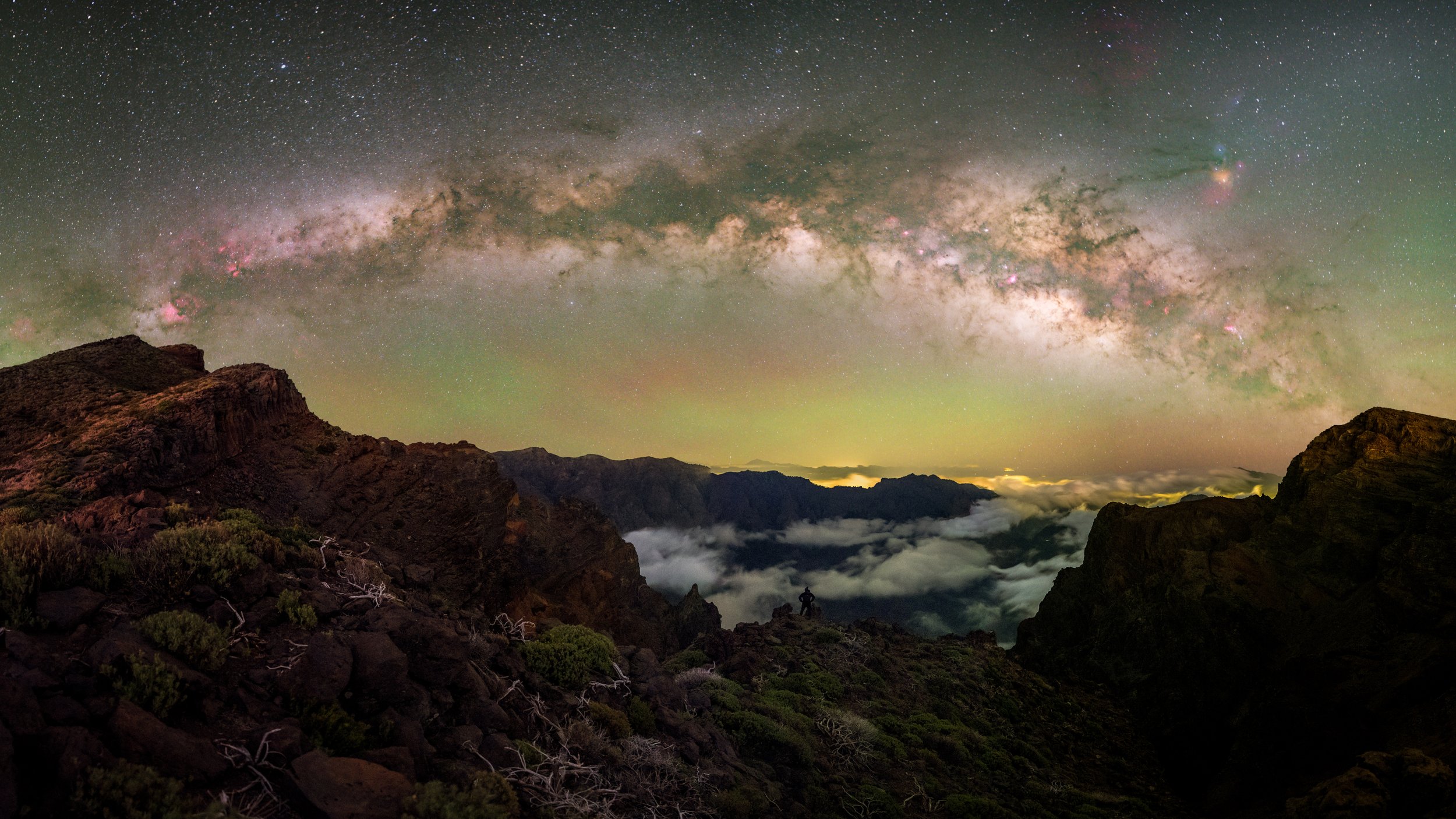
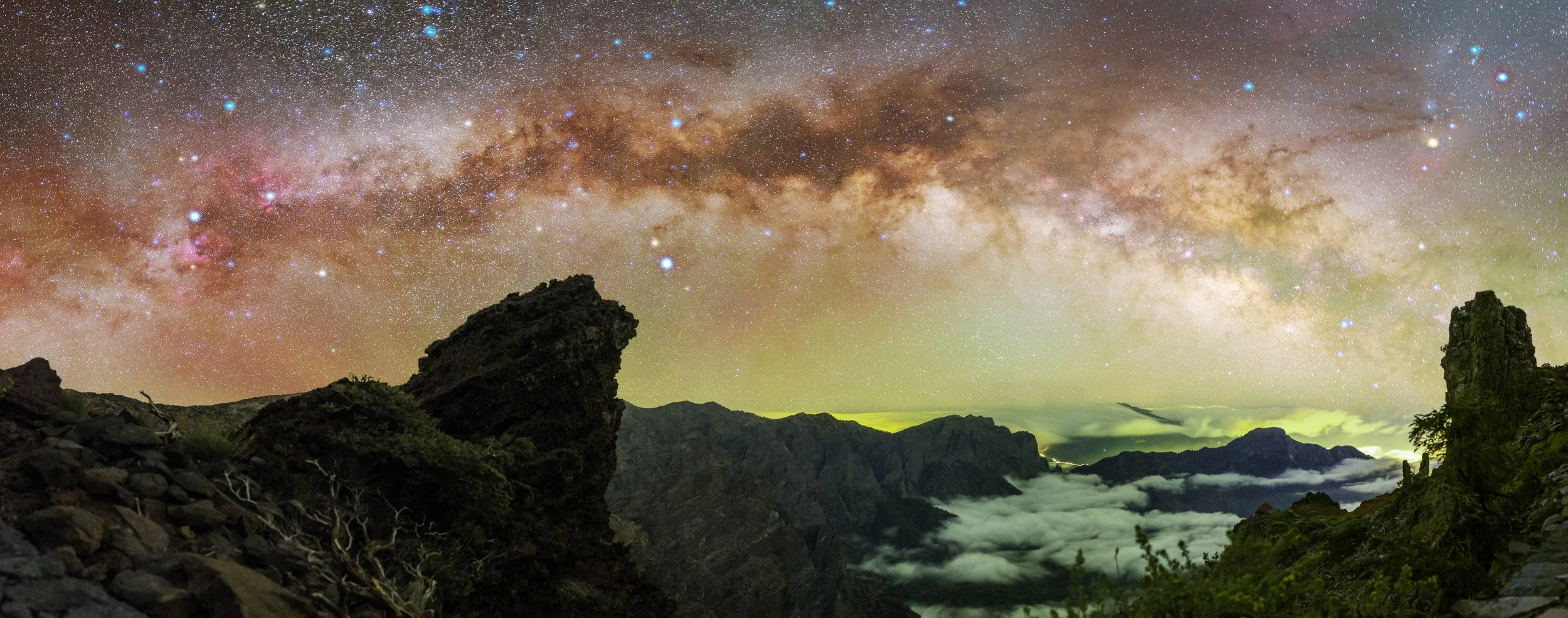
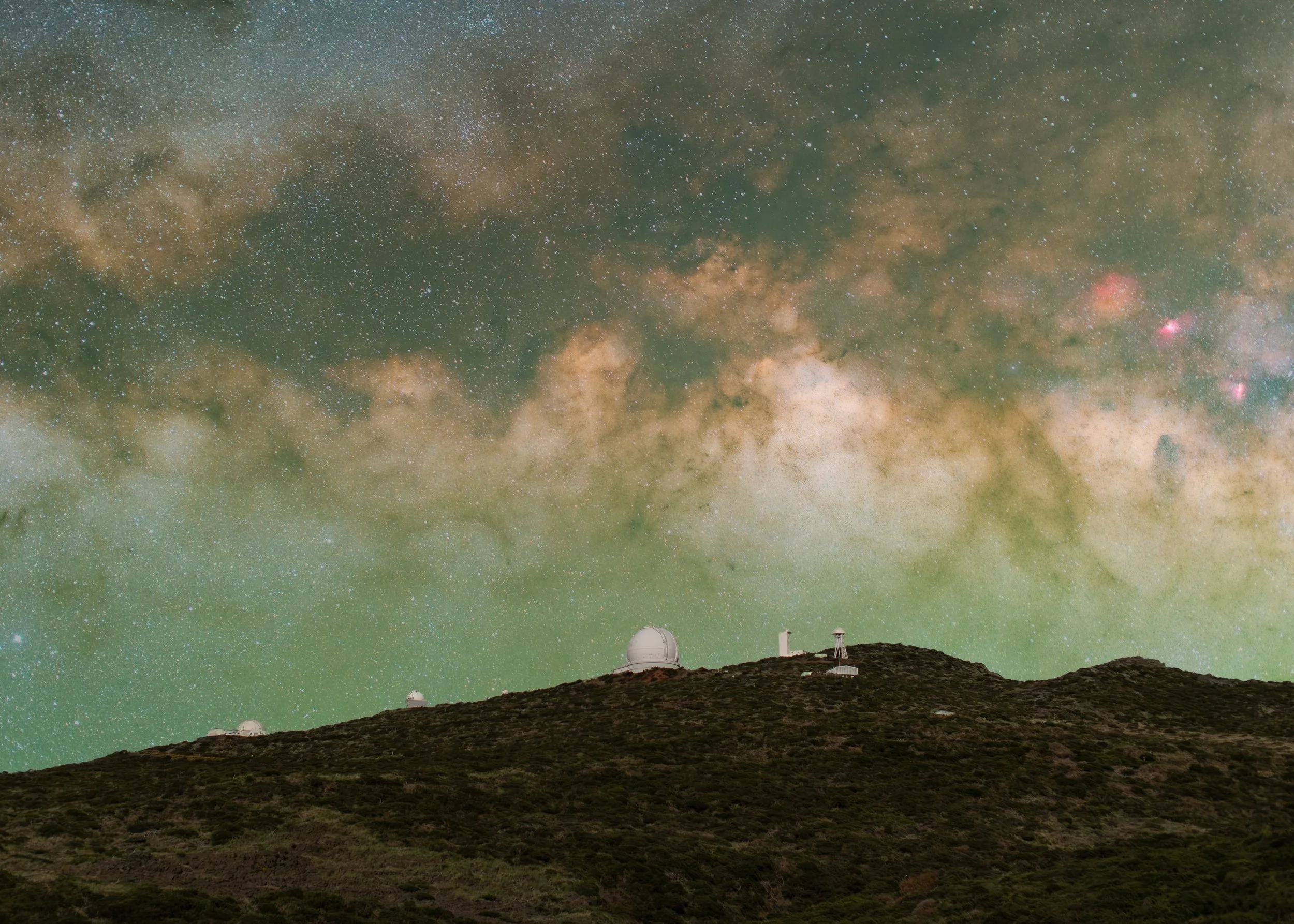
After that first, windswept night, Pared de Roberto felt like the calm answer to everything the Llano had thrown at me. An easy hike, gentle conditions, and a night where every part of the plan simply worked. I spent the hours building a large 35mm Milky Way panorama along the ridge, and came away properly proud of the result, made all the more satisfying by how little gear it took: just a Canon 6D and a small MoveShootMove Nomad tracker, proof that a big result doesn’t need to mean a heavy pack.
Isaac Newton Observatory, with Scott Phoenix
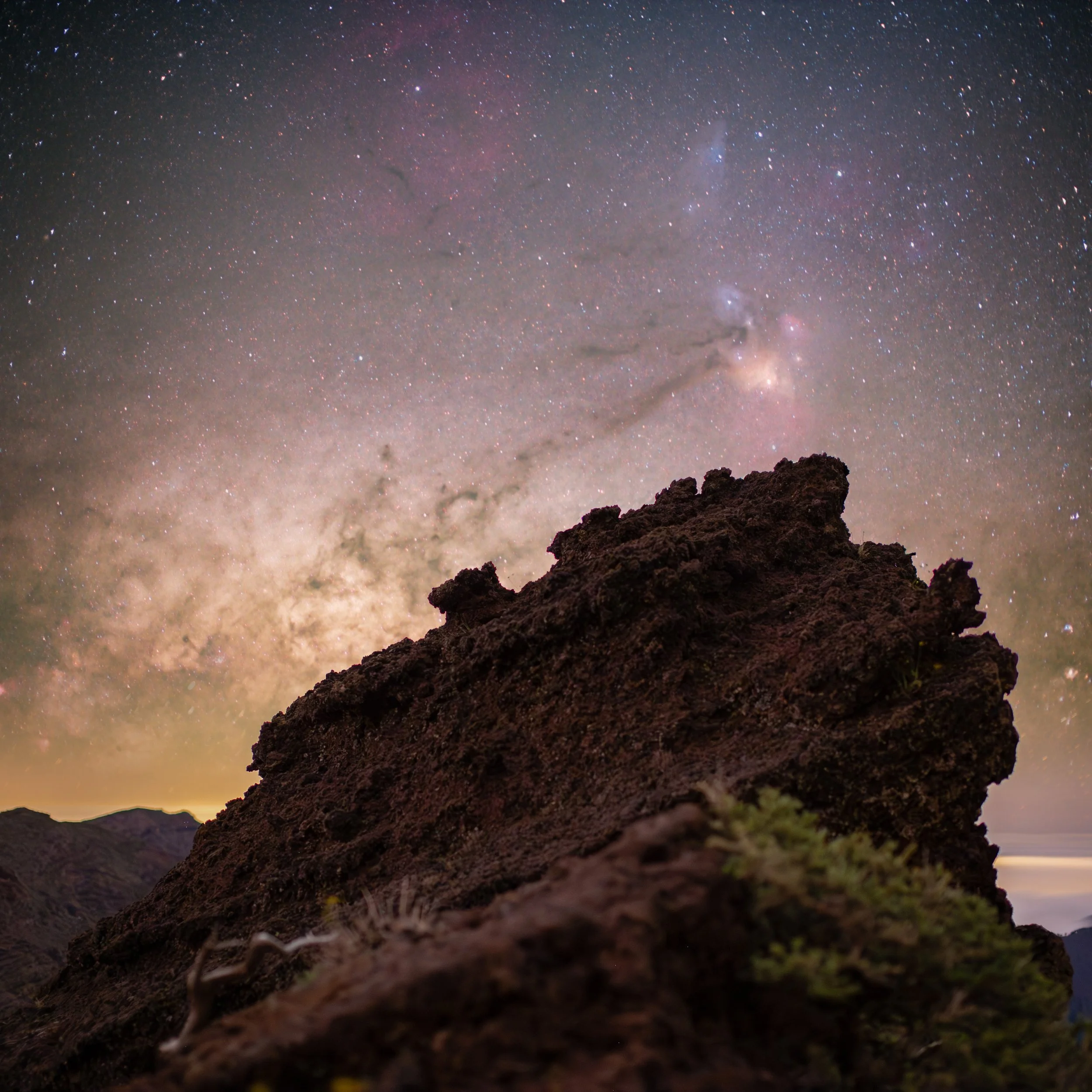
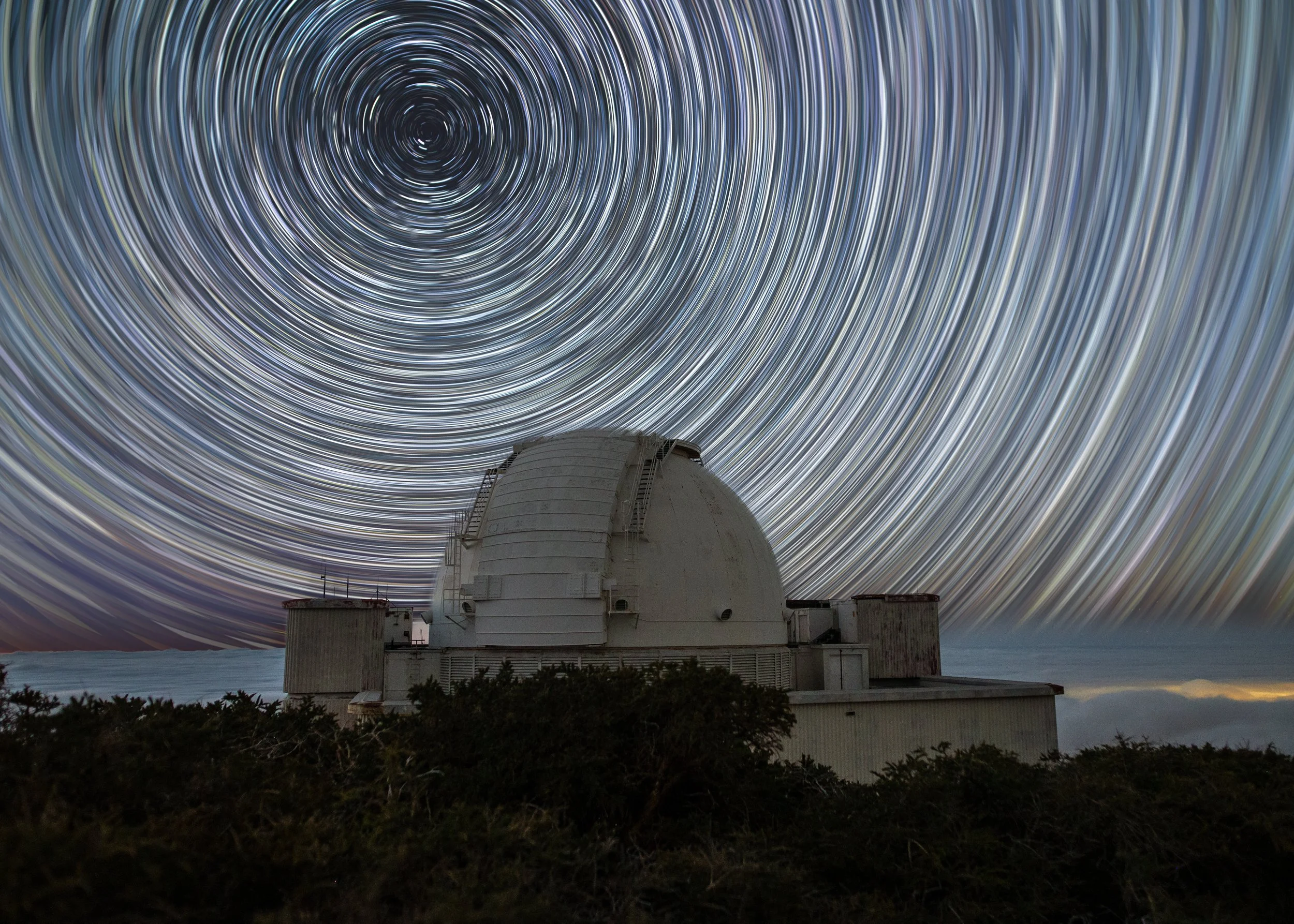
For one night, I had company. Scott Phoenix, from Phoenix Nights Astro, joined me to shoot star trails above the Isaac Newton observatory, one of the historic telescopes that shares the summit with La Palma’s newer giants, before we turned our lenses to the Milky Way arching over the island’s raw volcanic rock. I’m usually out there alone, so a night spent shooting alongside a friend, swapping stories and getting to know his own approach to the craft, made for a properly relaxed and enjoyable change of pace.
Roque de los Muchachos
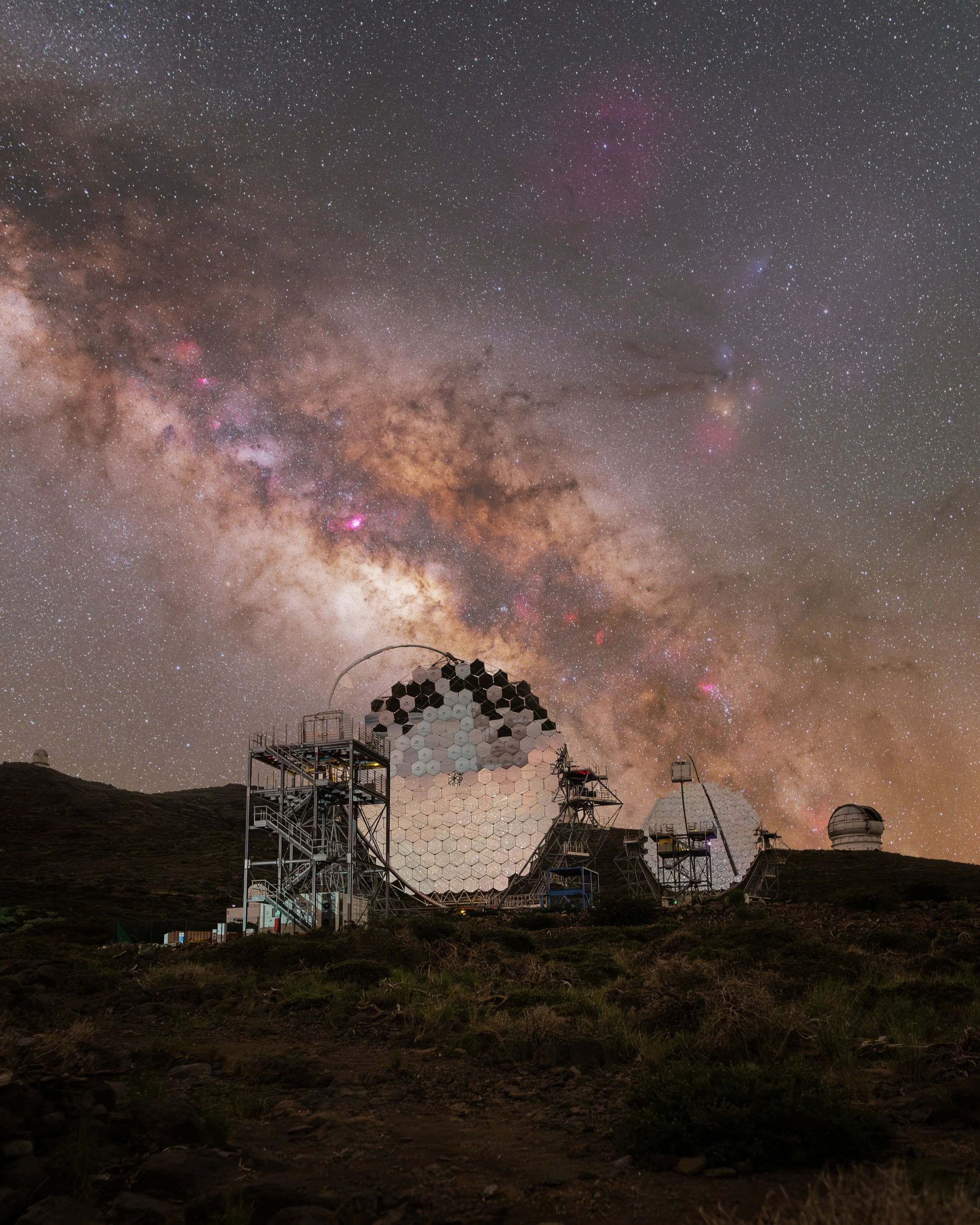
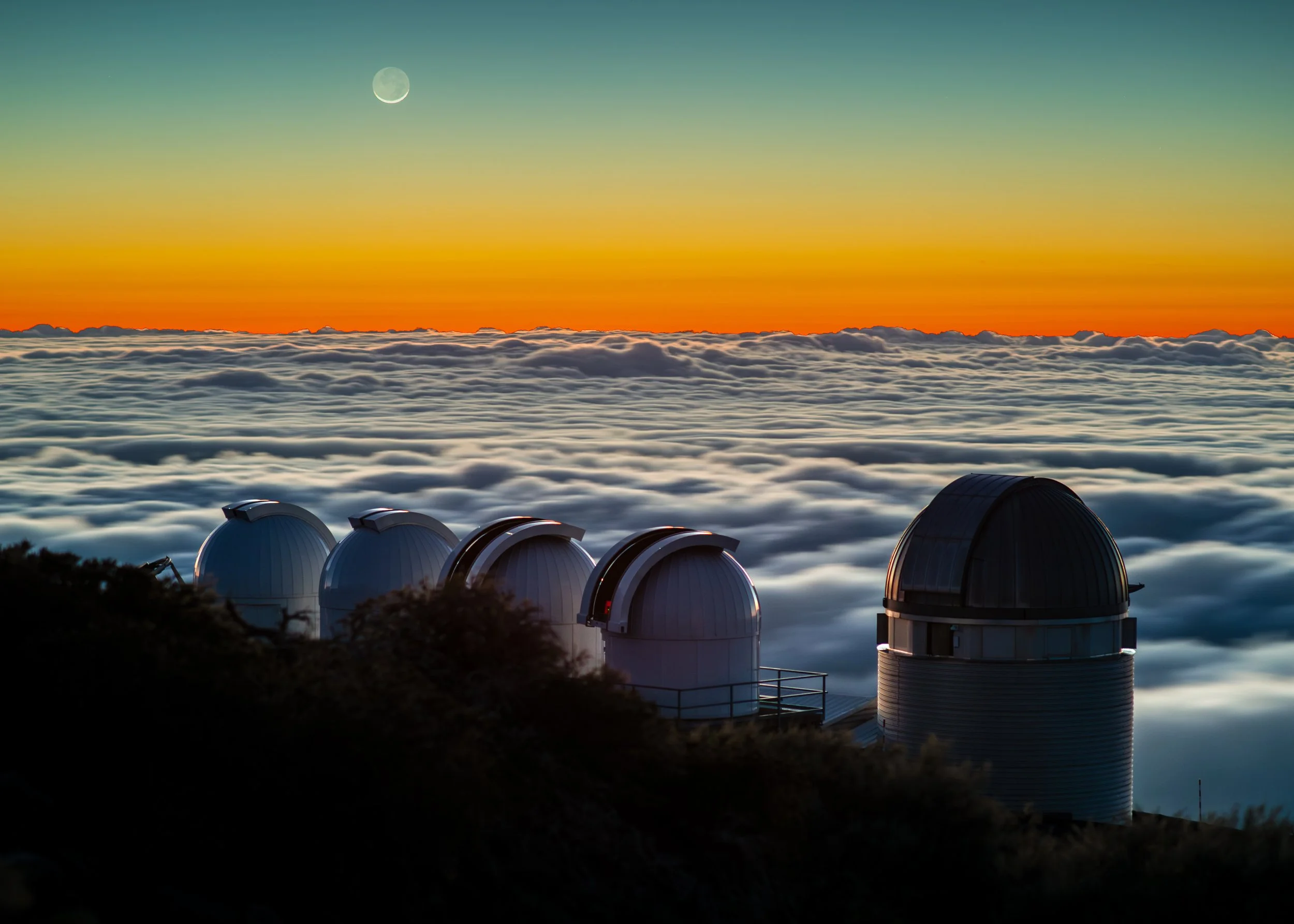
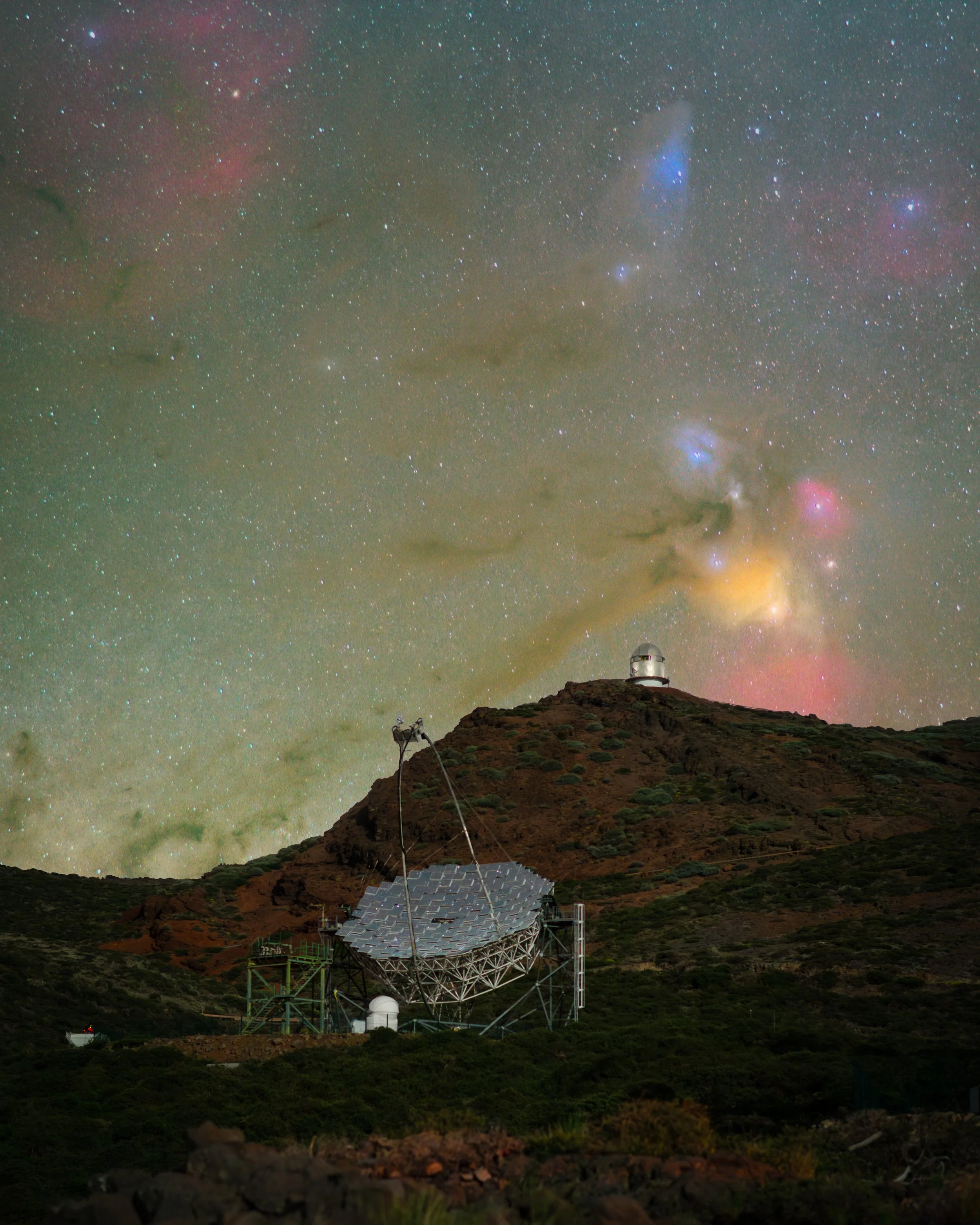
My last night took me to the Roque de los Muchachos itself, the observatory complex crowning the island and home to some of the most advanced telescopes on the planet, including the Gran Telescopio Canarias, the largest single optical telescope in the world. It’s a place photographed constantly, and I arrived unsure whether there was a fresh composition left to find. But standing beneath those enormous domes and mirrors, under one of the darkest skies in the northern hemisphere, I realised it hardly mattered. On a rare night with no wind at all, I watched a spectacular sunset give way to full darkness, then spent the night shooting the Milky Way over the observatories and timelapsing the sky’s slow turn overhead. Some places earn their reputation, and this was one of them.