Pou de la Nau, French Pyrenees
The Pyrenees, straddling the border between France and Spain, are threaded with old, hard tracks that carried more than just shepherds and pilgrims. During the Second World War, routes like these became escape lines out of Vichy France, walked at night and in secret by thousands of Jewish families and others fleeing persecution, climbing steep, remote passes toward the relative safety of neutral Spain. It's a landscape that carries that history quietly, in tracks that still exist mostly because people once had no other way through.
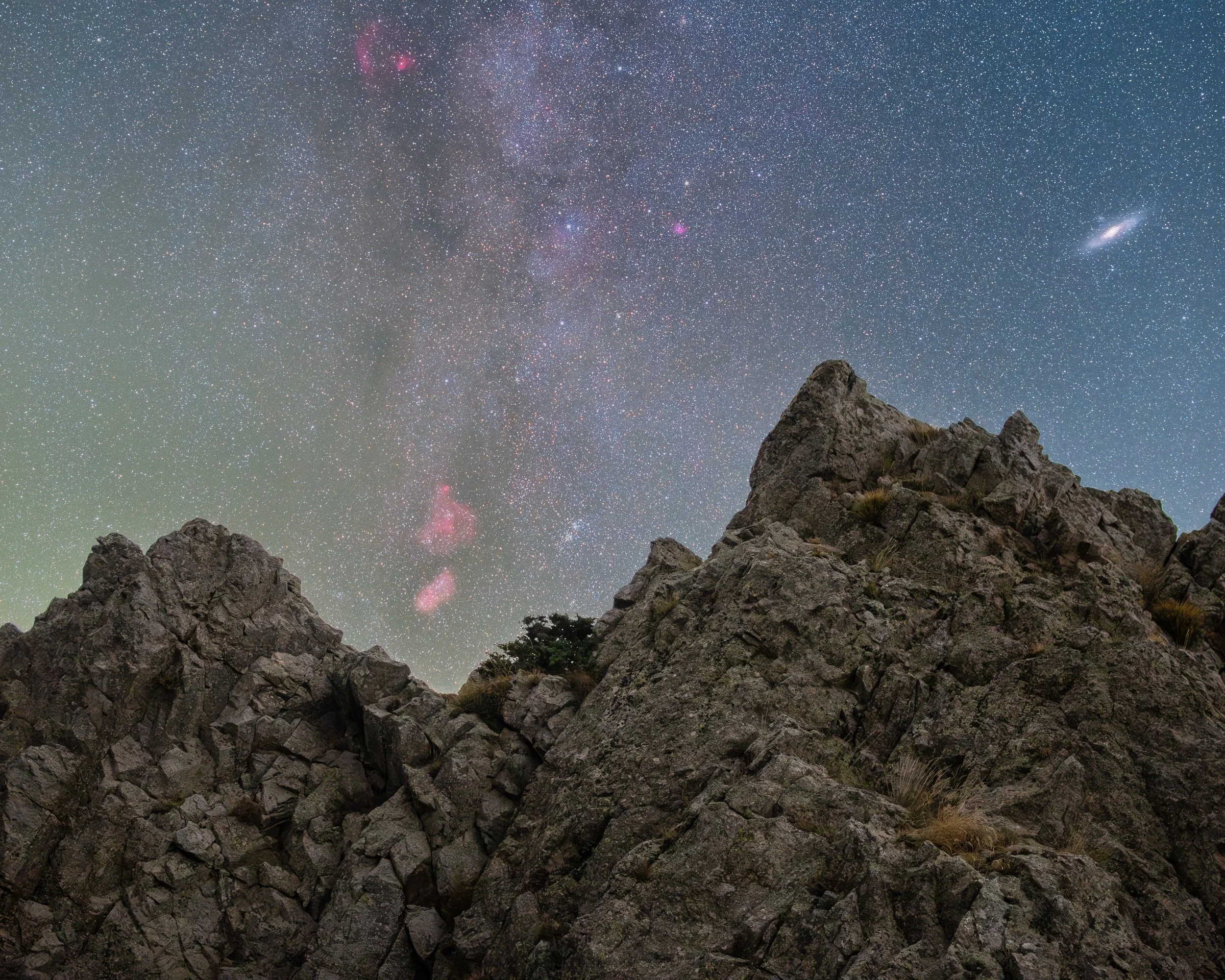
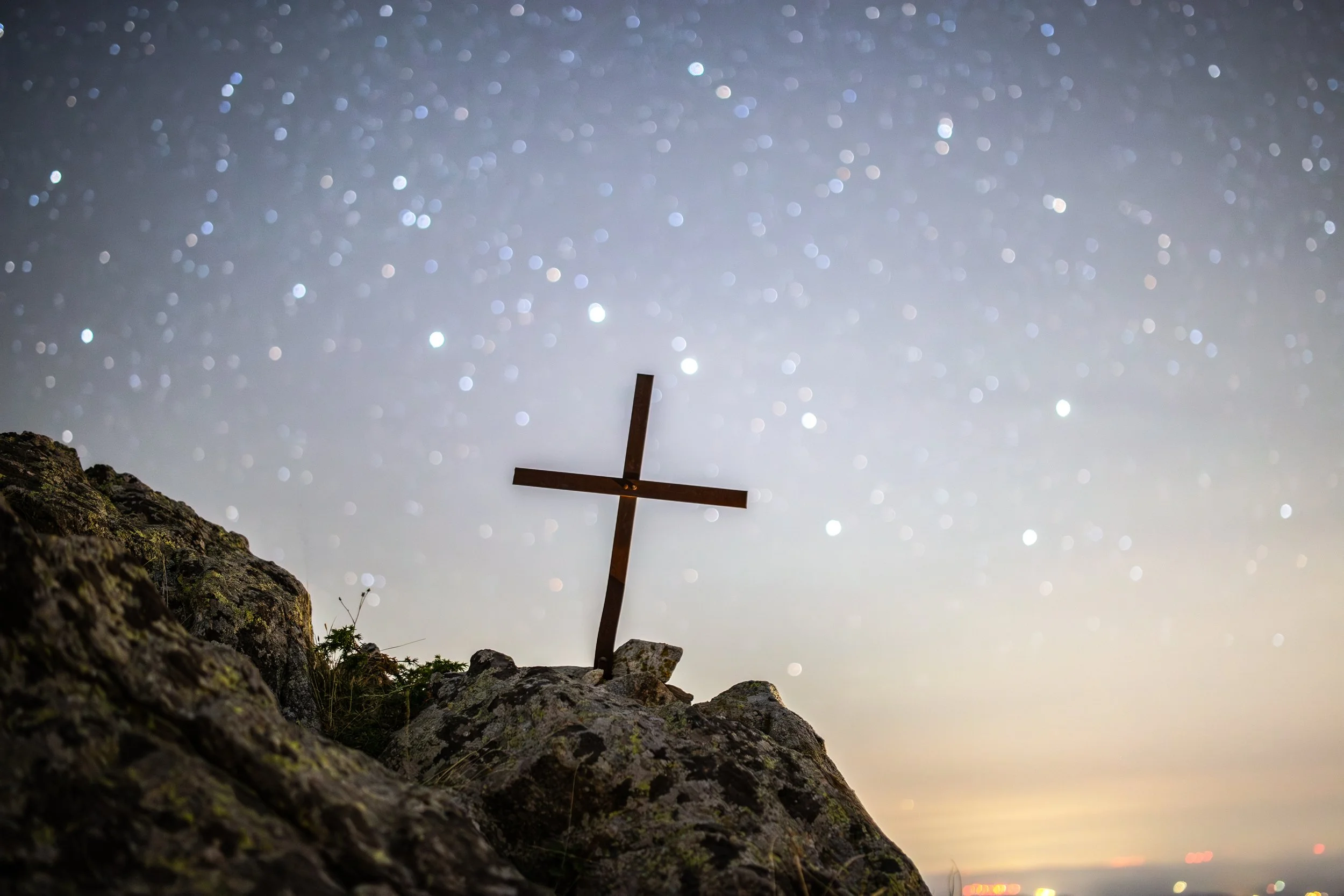
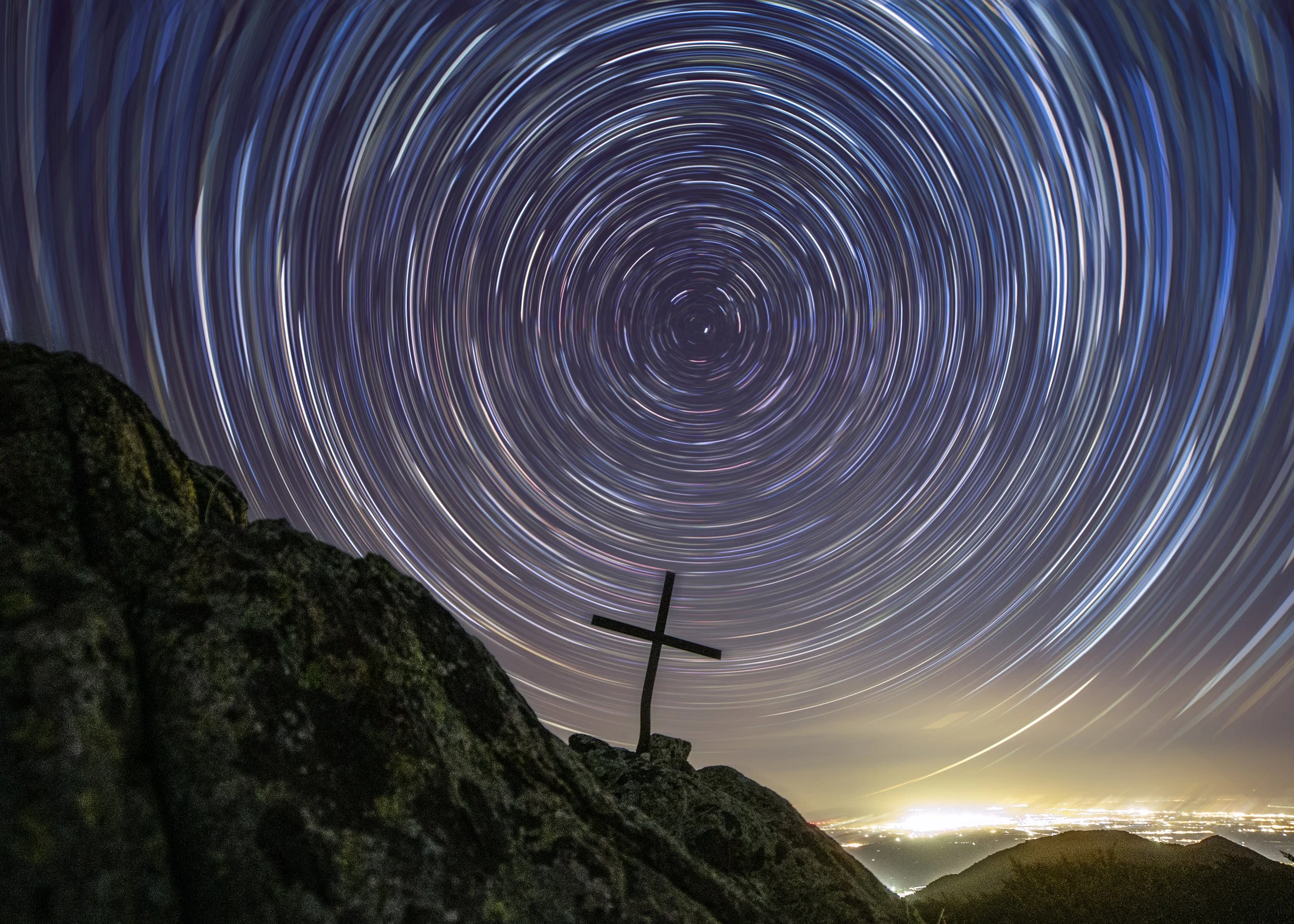
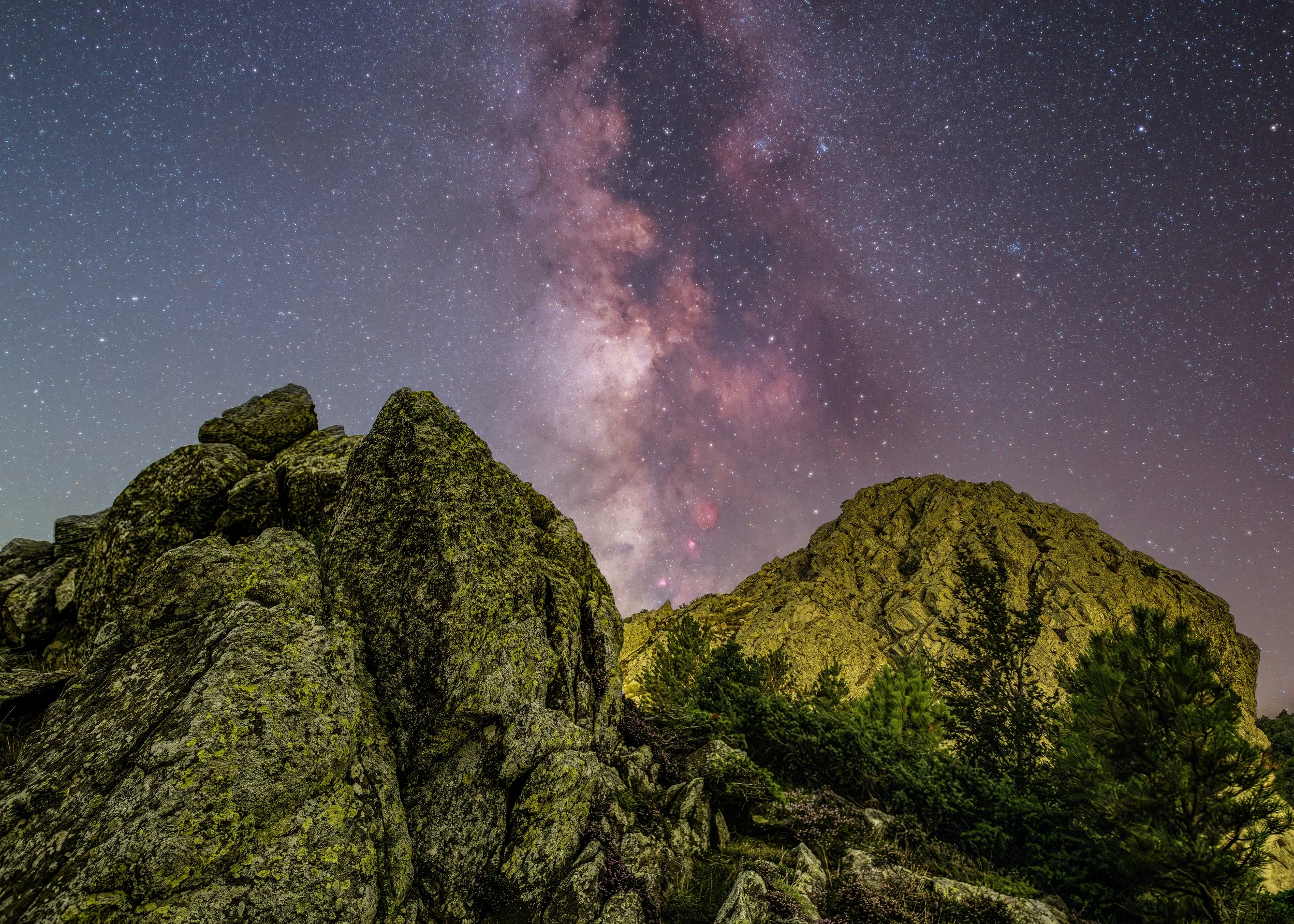
One August night, I drove one of these old tracks up to a pass marking the border itself, a rough, 4x4 climb that felt epic in its own right, well above the sprawl of cities and light strung along the Mediterranean coast far below. By the time I reached the top, all of that light was gone, replaced by a darkness that felt properly earned. The Milky Way's core seemed to burst straight out of the sky to the south west, vivid enough that it barely needed coaxing out of a long exposure.
The whole night had its own soundtrack: crickets going without pause, the occasional hoot of an owl, a fox barking somewhere down the slope, the odd rustle that might have been a deer or might have been nothing at all. Up there, above the roads and the coastal glow, it felt like being above it all, in altitude and in every other sense too, alone on a border that people once crossed in fear, now crossed by nothing but starlight and the quiet sound of the mountain settling into night.