Shingle Street, Suffolk
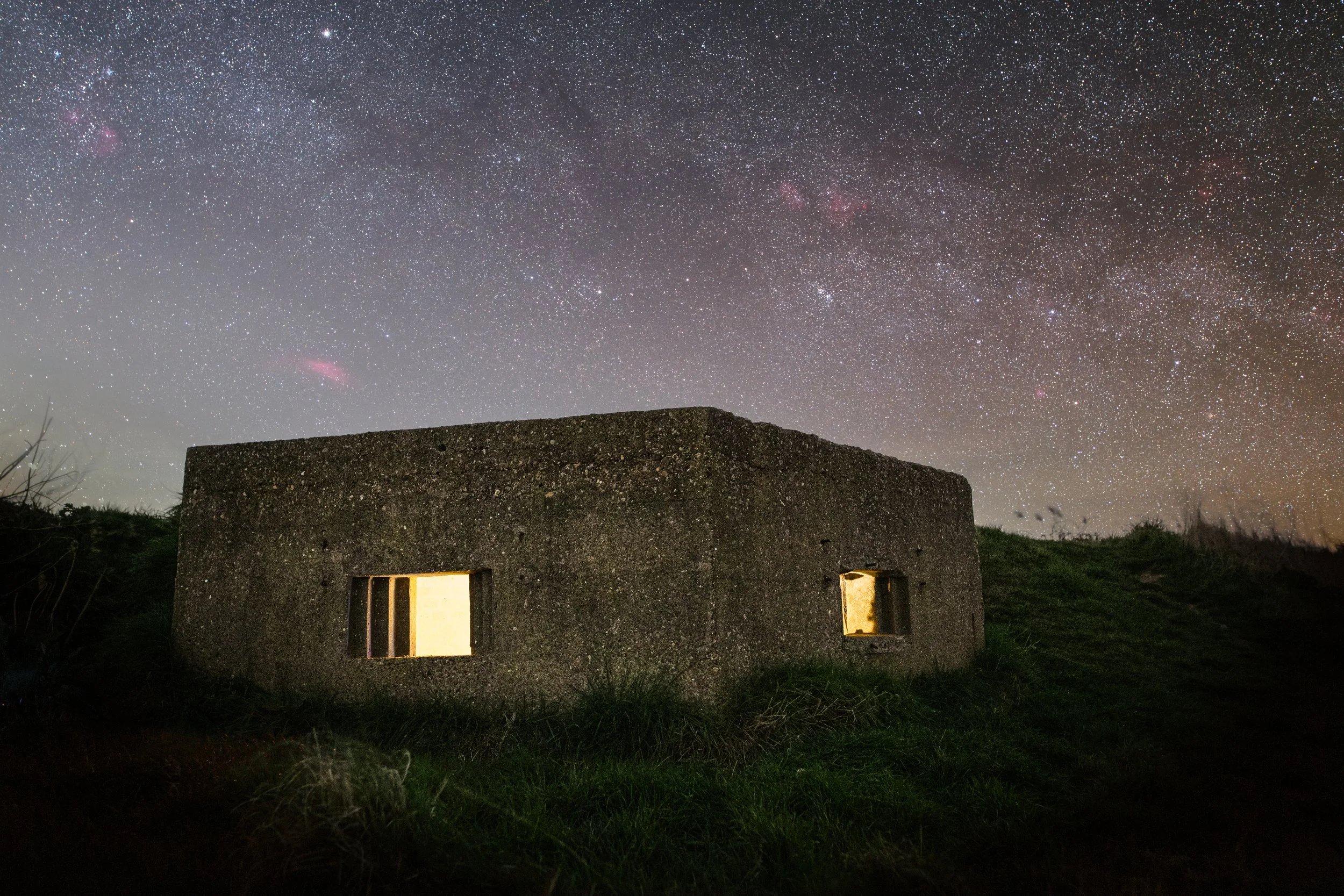
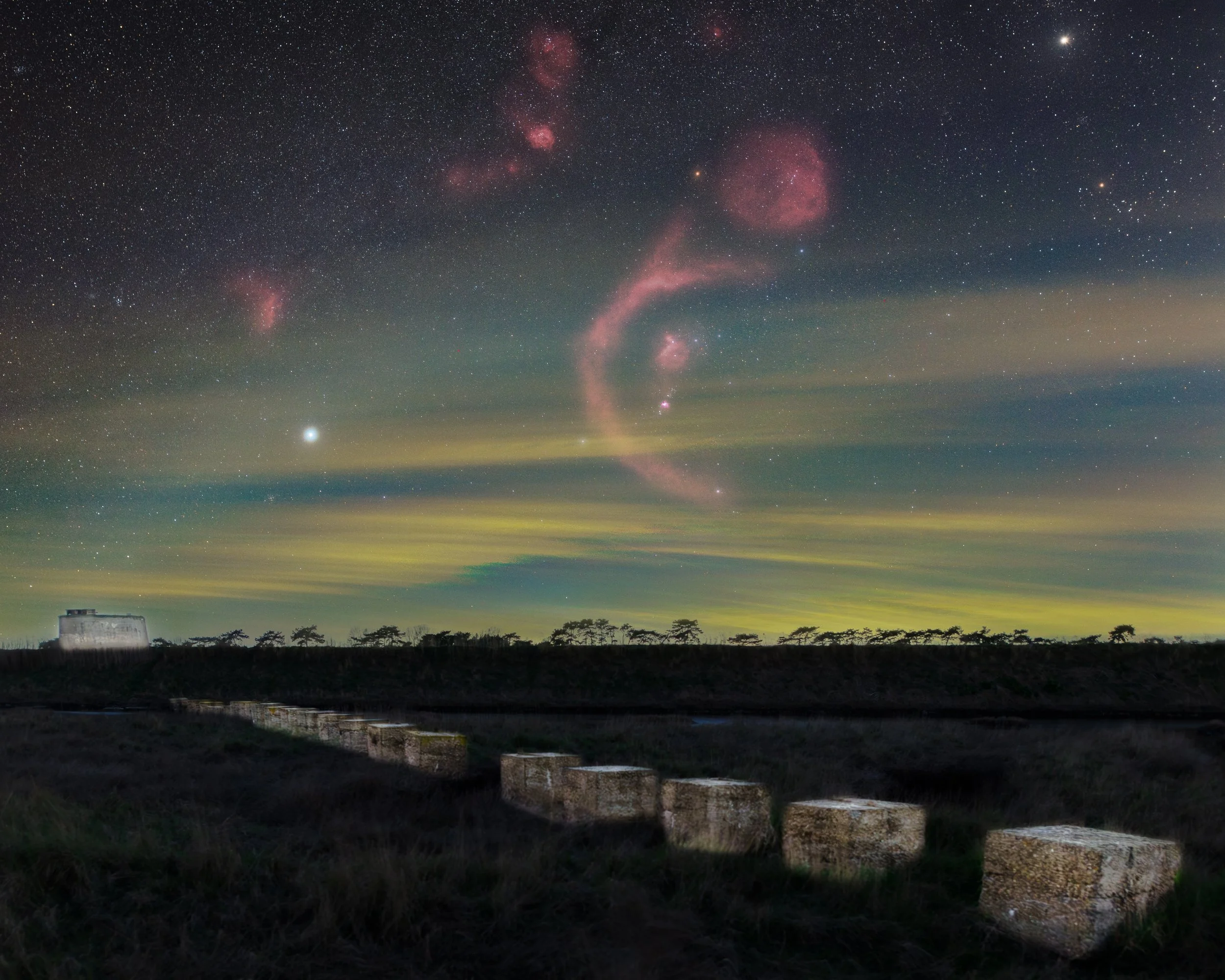
Shingle Street is the sort of place rumours cling to. In 1940, with invasion feared imminent, the handful of residents were evacuated and the beach mined, and in the silence that followed, stories took root: a small German force landing in the dark, a fierce fight on the shingle, bodies burned in a sea set alight by secret weapons. Declassified files released decades later told a plainer story, evacuation, minefields, weapons testing, nothing about invaders or flaming water. But the legend has never really died, and even now, plenty of people along this coast believe something happened here that was never fully explained. Some call this stretch of Suffolk the edge of everything, and standing on it, that name doesn’t feel like an exaggeration.
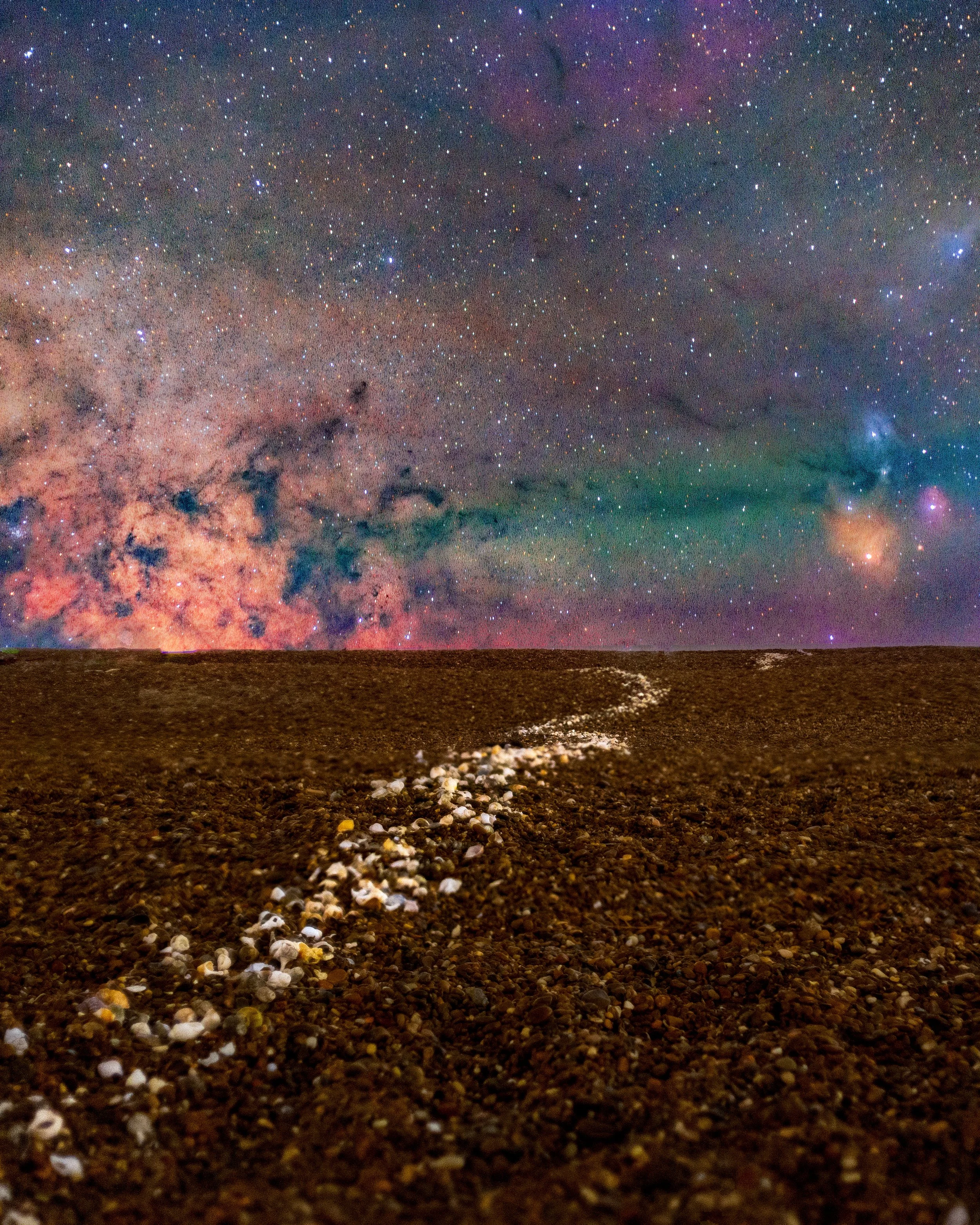
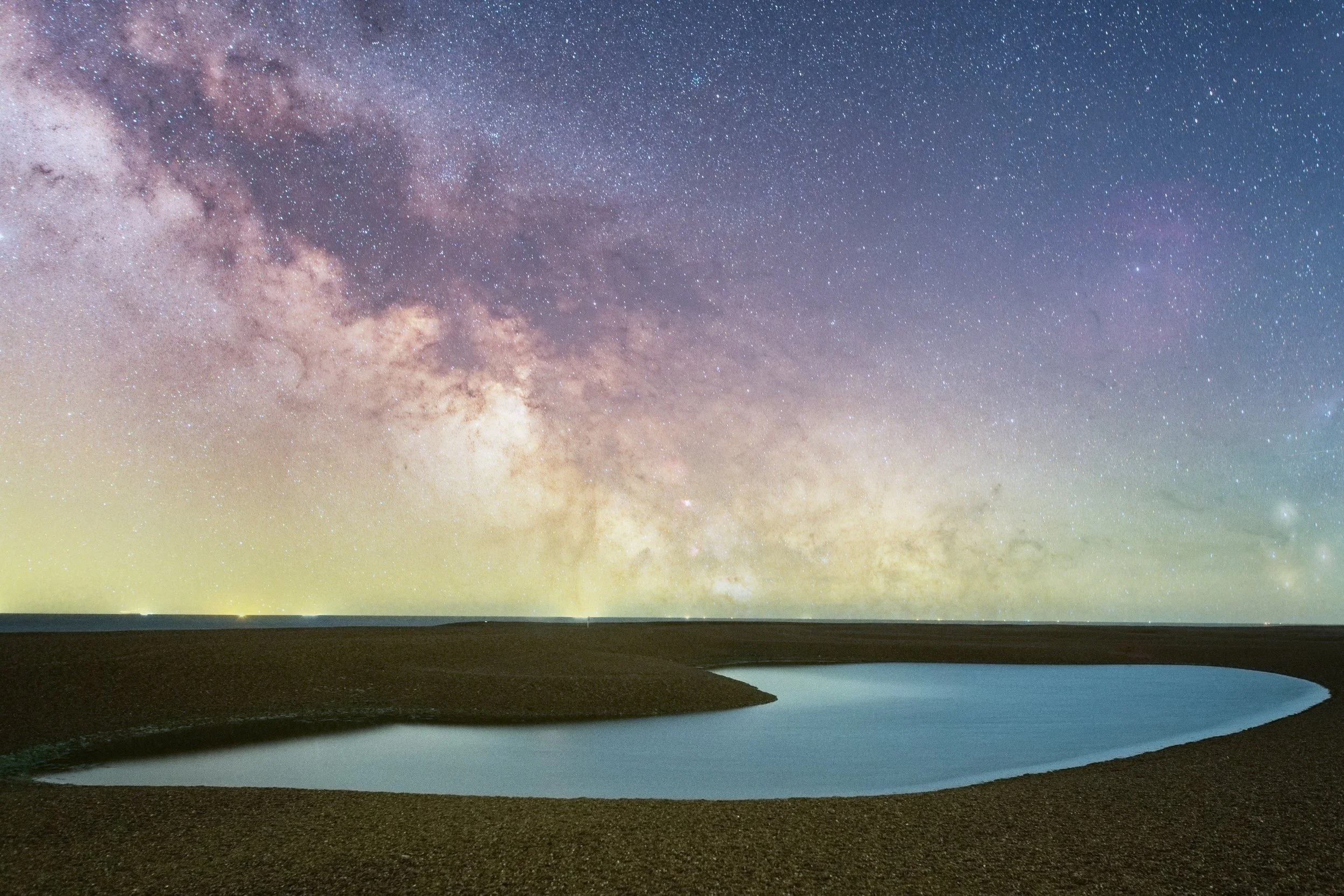
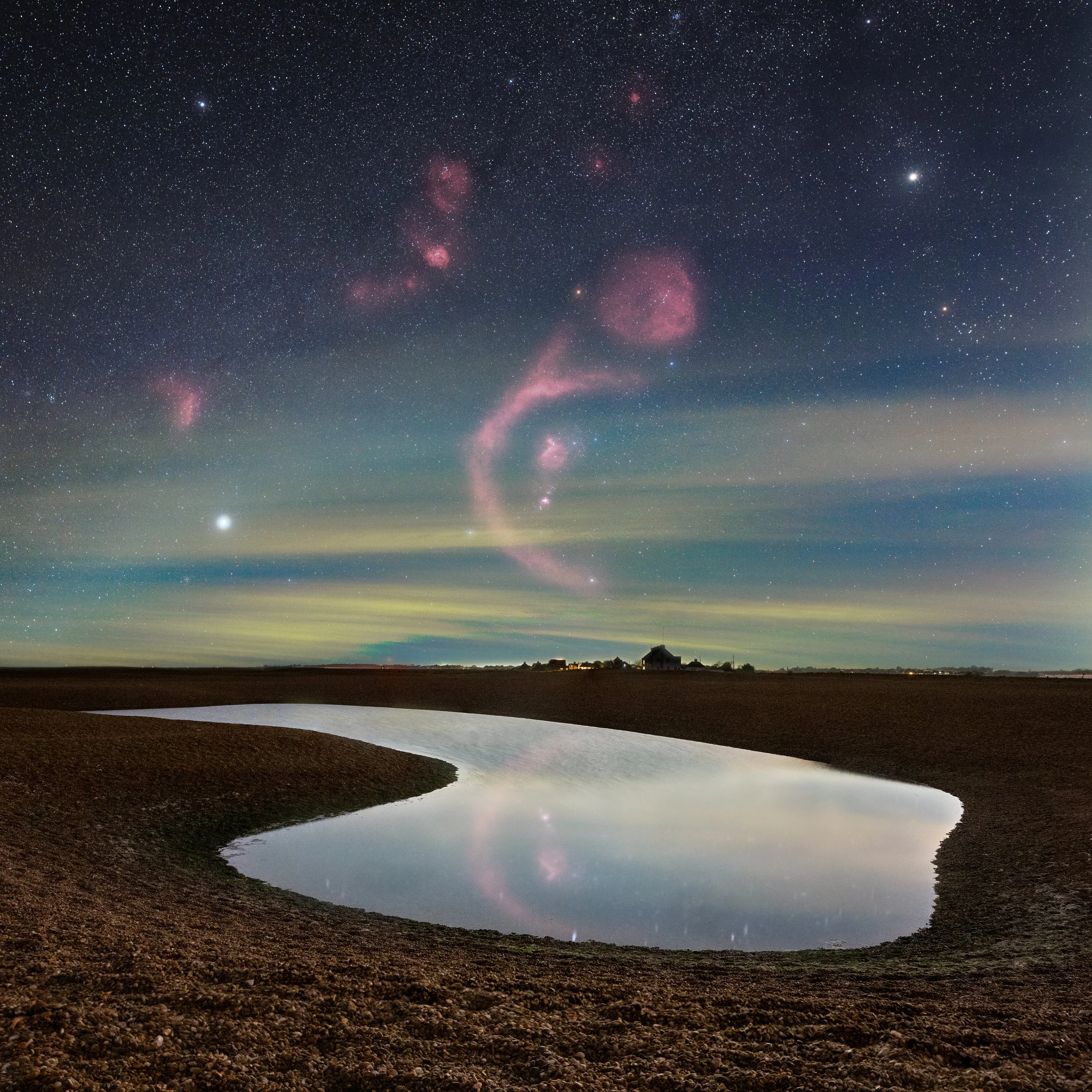
I arrived shortly after new moon at the end of March, chasing a last look at Orion and hoping to find compositions for the Milky Way core, due to rise over the blackness of the North Sea shortly before dawn. The shingle itself does its best to resist you: the dunes here are sculpted into strange, flowing shapes, dotted with still tidal lagoons, and walking across them all night with a full pack is exhausting in a way that flat ground never is. Add a wind that never let up, and it turned into one of the toughest nights I’ve had out shooting, physically draining in a way that stuck with me for weeks afterwards.
Cloud tried to spoil things too, rolling in unforecast and threatening to shut the whole night down. But it broke at the moments that mattered, and I came away with a handful of images I’m genuinely pleased with, Orion one last time, and the galaxy’s bright core rising over a sea that, eighty years ago, people swore they saw burn.