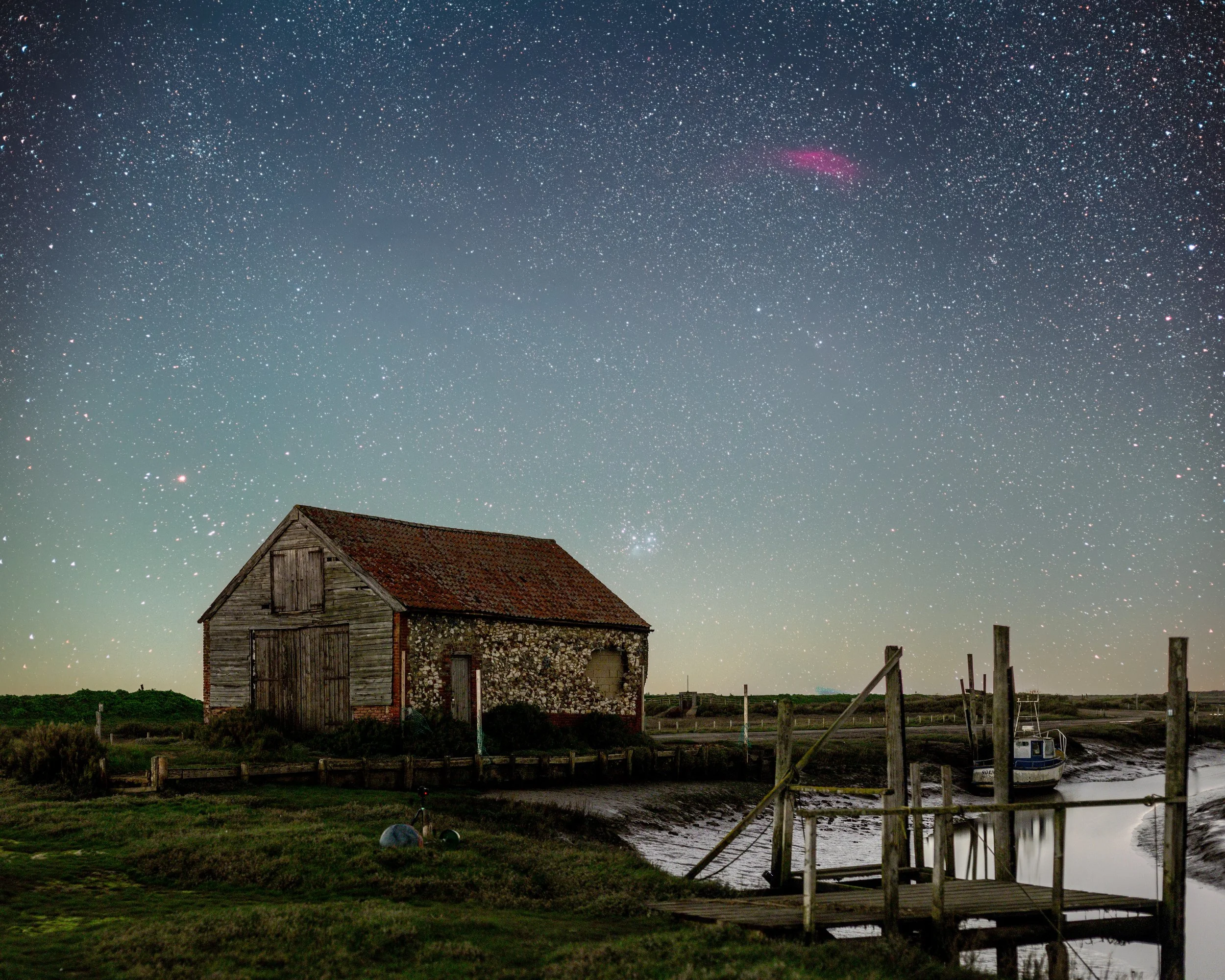
Thornham, Norfolk
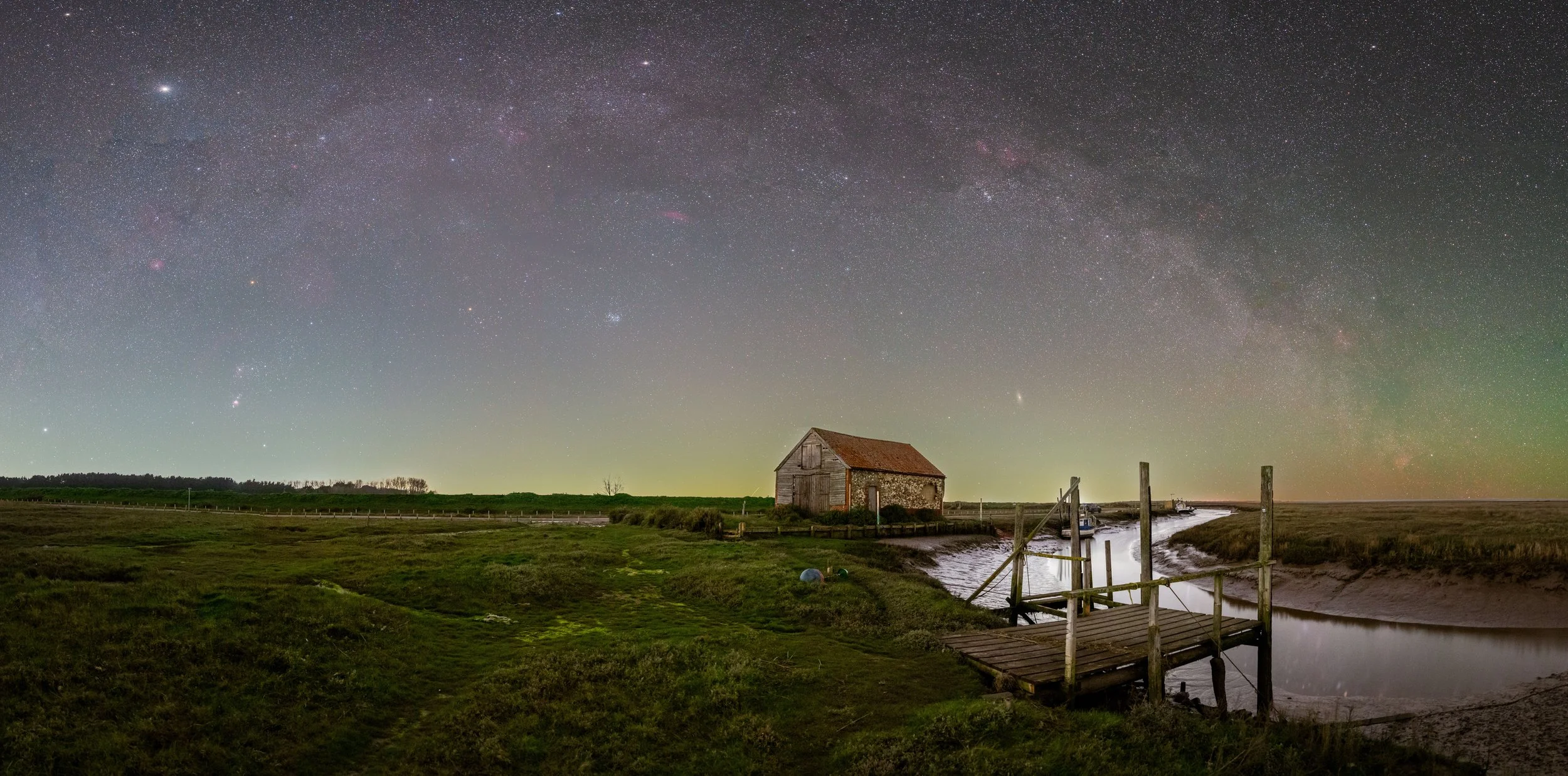
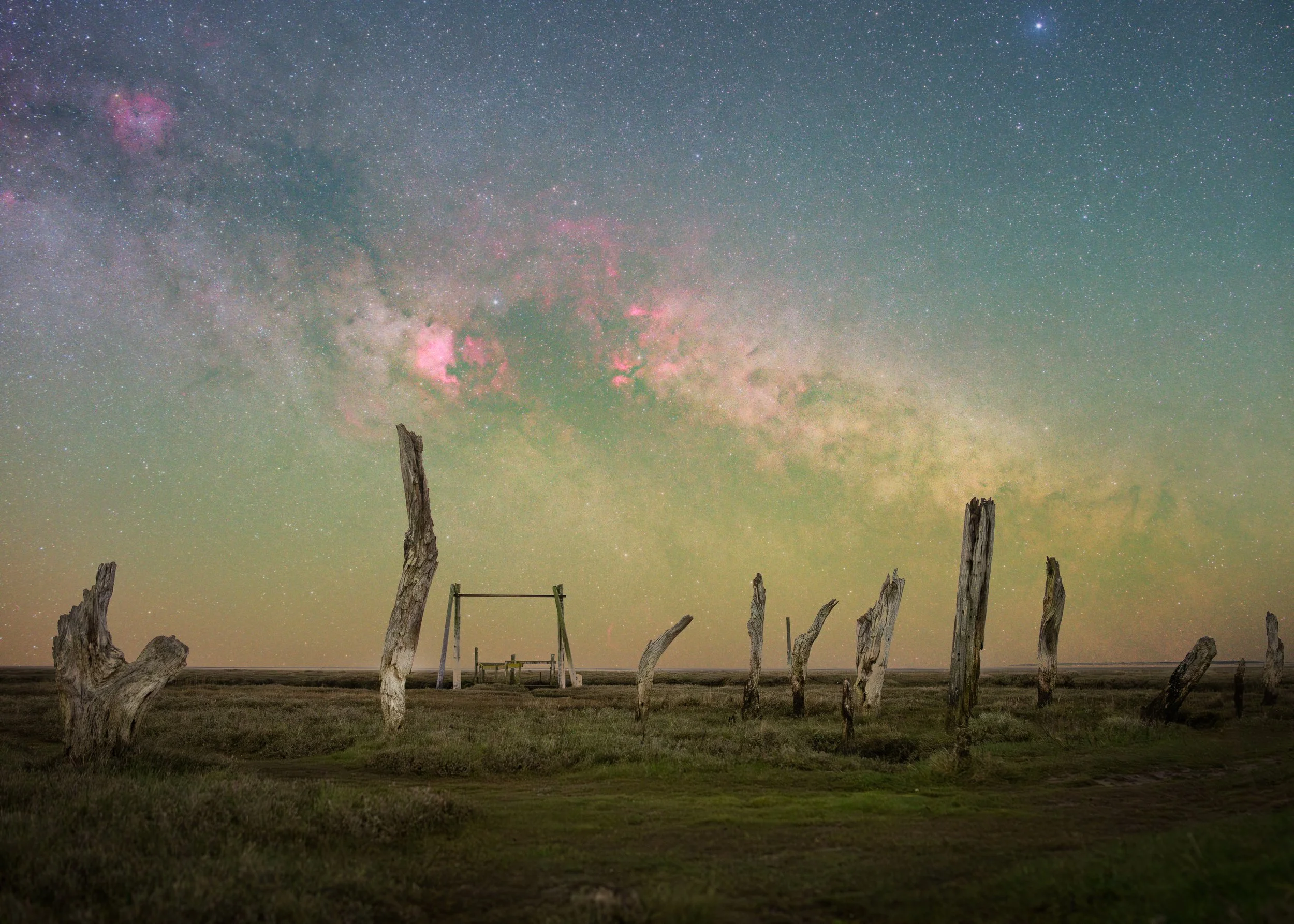
Spring is one of the best times of year to be out under the stars. It still gets dark at a sensible hour, Orion sits perfectly placed in the early evening sky, Cassiopeia and Perseus swing low across the north west, and even the Andromeda galaxy hovers just above the northern horizon at these latitudes. Then, once midnight passes, the richer parts of the Milky Way start to make their entrance: Cygnus first, hugging the eastern horizon, and finally, in the hour or two before dawn, the galactic core itself climbing into the south east. It’s a night that keeps giving, target after target, if you’re willing to stay out for it.
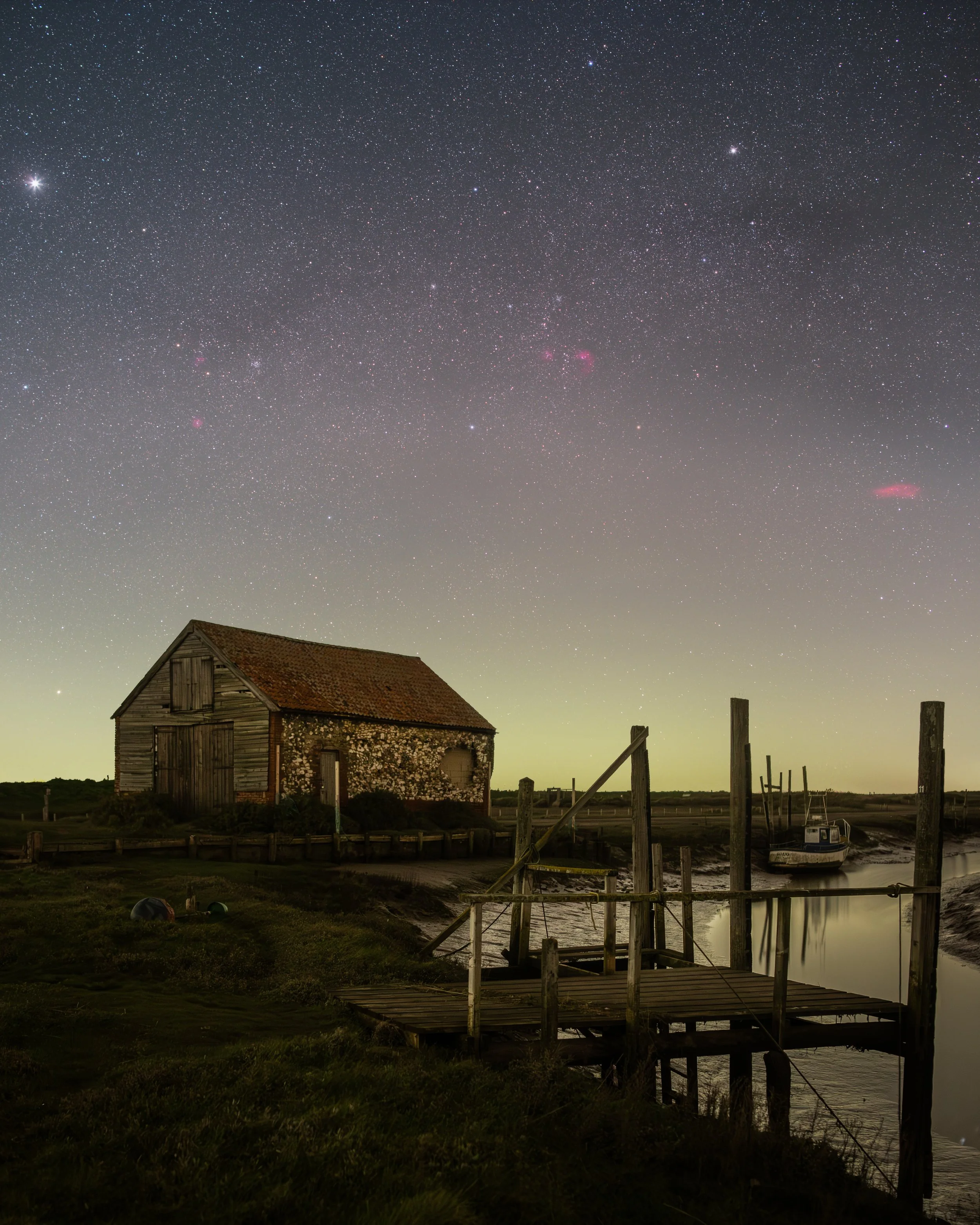
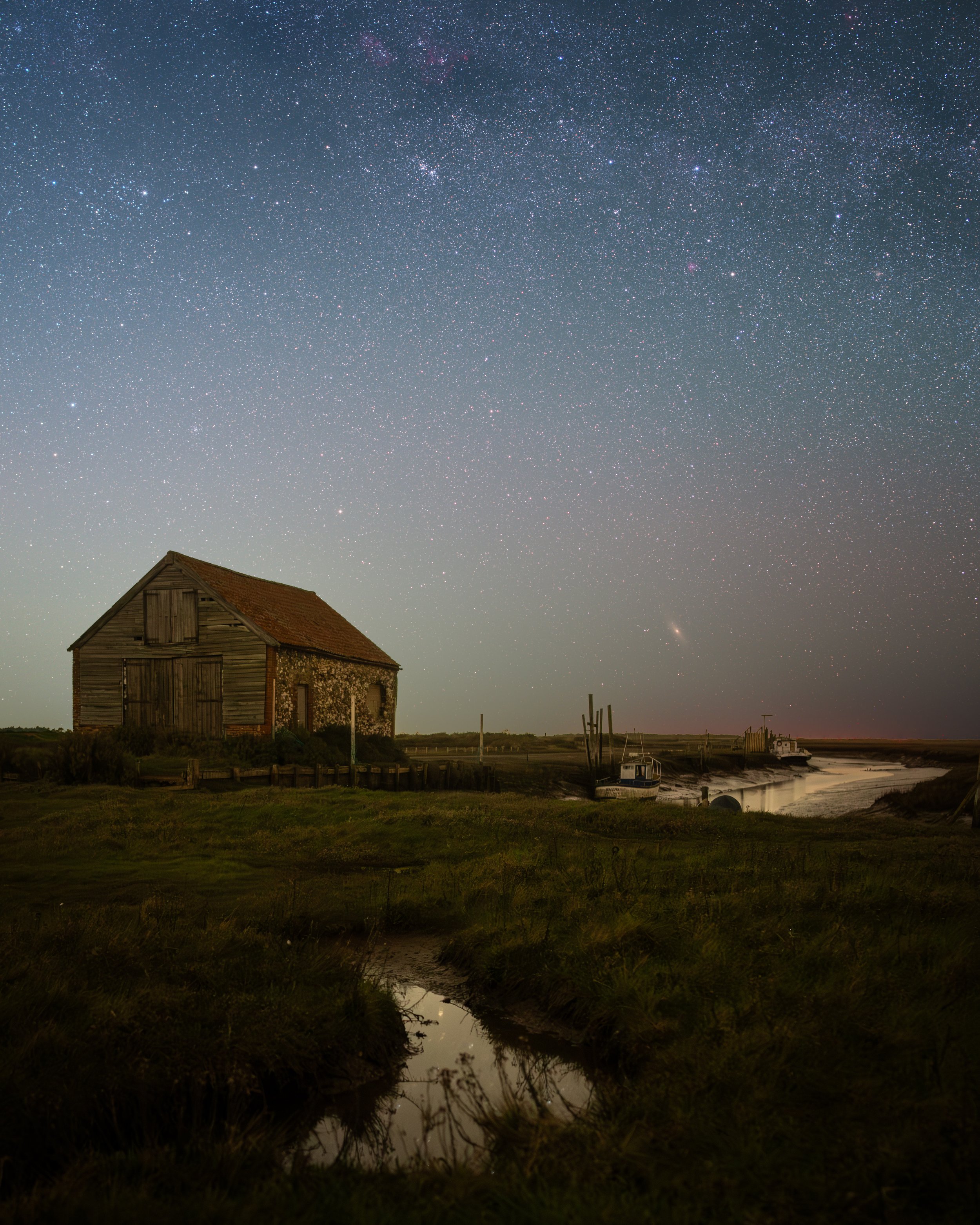
I spent one of these spring nights at Thornham, a small, quiet village on the north Norfolk coast, tucked behind a sweep of salt marsh and old tidal creeks. It’s a place better known for birdlife than astrophotography, sandwiched between the reserves at Titchwell and Holme Dunes, but the same huge skies and flat, uninterrupted horizons that make it a haven for waders and marsh harriers make it just as good for the stars.
I’d planned to stay out until dawn, chasing that final rise of the galactic core, but by the time Cygnus was climbing steadily above the marsh, I decided enough was enough and banked the extra sleep instead. It didn’t feel like giving anything up. Between Orion in the early hours and Cygnus rising behind Thornham’s quiet creeks, the night had already offered up such a rich spread of targets that going home early felt like the sensible kind of victory, not a compromise.